
FLARIENT
Space Intelligence & Forecasting
Know what's happening. Predict what happens next.
Loading aurora data…
Loading solar data…
Loading near-Earth object data…
Forecast with points. No money. Build your track record.
Current Space Weather Summary
No AI generation- Current status
- Data unavailable
- Planetary Kp
- Data unavailable
- Solar-wind speed
- Data unavailable
- Bz (magnetic field)
- Data unavailable
- X-ray flare class
- Data unavailable
- Dst index
- Data unavailable
- Aurora outlook
- Data unavailable
- Kp max (24h)
- Data unavailable
- Data status
- Unavailable
Primary source: NOAA SWPC, NASA SDO, NASA JPL, GFZ Potsdam
Bottom line: Current space weather conditions are unavailable. Last known data is shown where possible.
Loading
Reading live space-weather data…
Pulling the latest Kp index, solar wind and aurora forecast from NOAA and NASA.
Decision Center
Impact Decoder
Get a GO/WAIT score for your exact location.
My Signals
Smart alerts that fire on condition changes — not every check above a threshold.
Crews
Chase aurora with friends. Vote GO or WAIT as a group.
Signal Network
See what others are actually seeing right now. Report your observation.
Forecast League
Predict the next G3+ storm. Closest prediction wins 3 months Premium.
Live Event Mode
Active space weather events with live tracking and crew coordination.
What's happening now
Live data from NOAA, NASA & JPL — updated every 60s
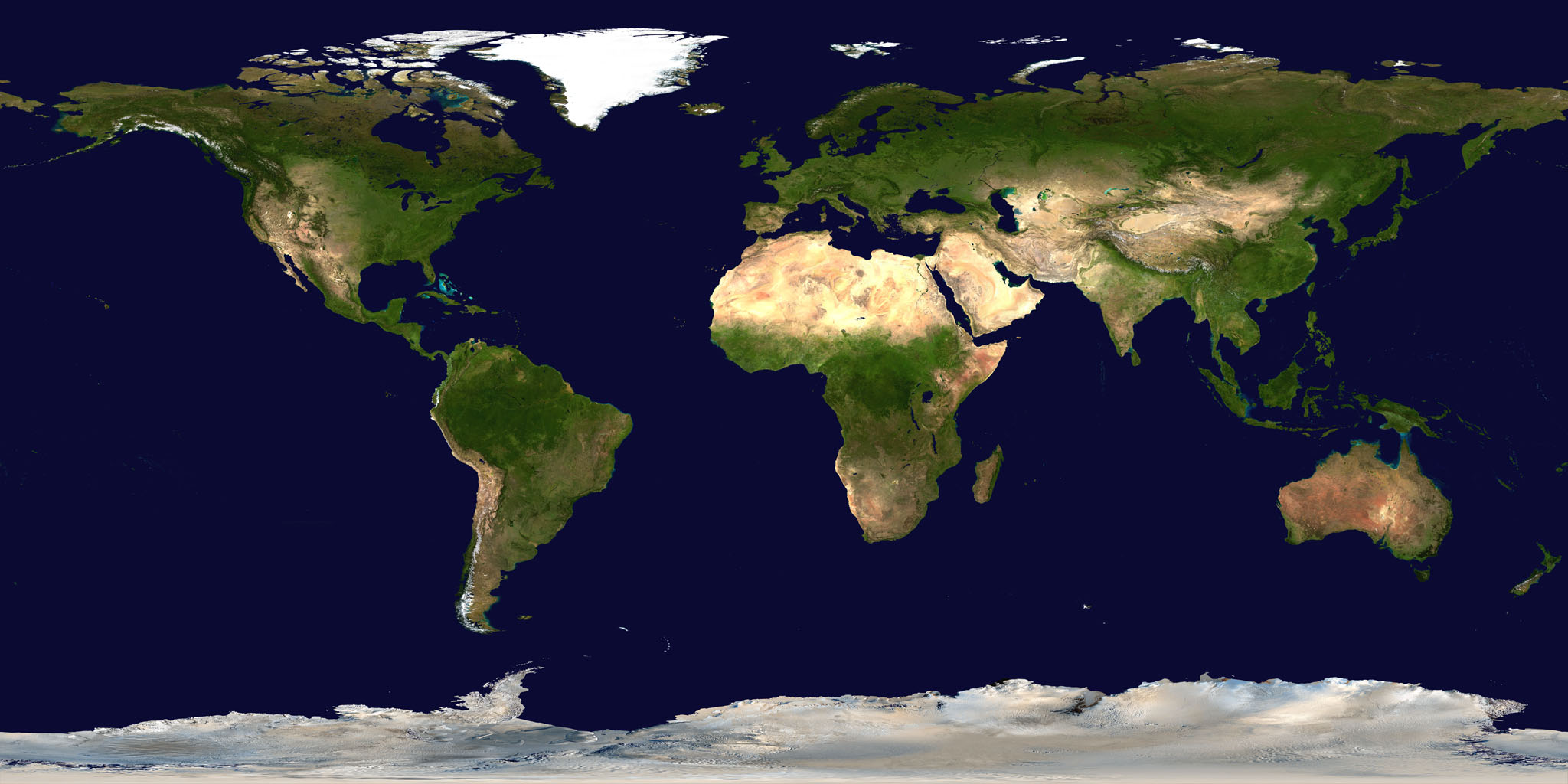
HF Blackout Map
D-RAP · X-ray + proton absorption model
FLARIENTToday's analysis
HF absorption is currently minimal because GOES X-ray and energetic-proton levels are low.
Why it matters →
D-RAP (D-Region Absorption Prediction) is continuously driven by GOES X-ray flux and energetic proton flux. Solar flares bathe the sunlit ionosphere in X-ray photons, ionising the D-region and absorbing HF radio. Polar cap absorption events from energetic protons extend the blackout to high latitudes.
What it means for me
Personalised — aurora, radio & local forecast
What to do
Tools, predictions & actions you can take now
Community & history
Observations, archives and the long view