Solar Flares and the Reliability of Satellite Navigation Systems
Solar activity directly influences GPS and satellite navigation. Learn how solar flares interfere with satellite signals and why tracking space weather is essential for modern technology.
Solar Activity Disrupts Global Navigation Systems
Modern life relies on the constant stream of data from satellites orbiting high above our heads. From the precise timing required for banking transactions to the turn by turn directions on your smartphone, these systems form a hidden backbone of our daily routine. This infrastructure is not impervious to the volatile nature of our home star.
When the Sun erupts, it can send ripples through the space environment that degrade the accuracy of satellite signals or disconnect them entirely.
Understanding how solar weather impacts these systems is critical for engineers and everyday users alike. By looking at how radiation and particles interact with our atmosphere, we can better manage the risks associated with an increasingly connected world. This interaction is a core component of [how space weather influences life on earth](/blog/how-space-weather-influences-life-on-earth) and continues to be a primary area of scientific concern.
The Science Behind It
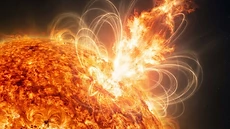
Solar flares are intense bursts of radiation emanating from the release of magnetic energy associated with sunspots. These flares emit electromagnetic radiation across the entire spectrum, including extreme ultraviolet and X-rays. While this light travels at the speed of light, reaching Earth in about eight minutes, it primarily affects the upper layers of our atmosphere.
Live Solar Flare Monitor
Powered by Flarient — embed this on your site →
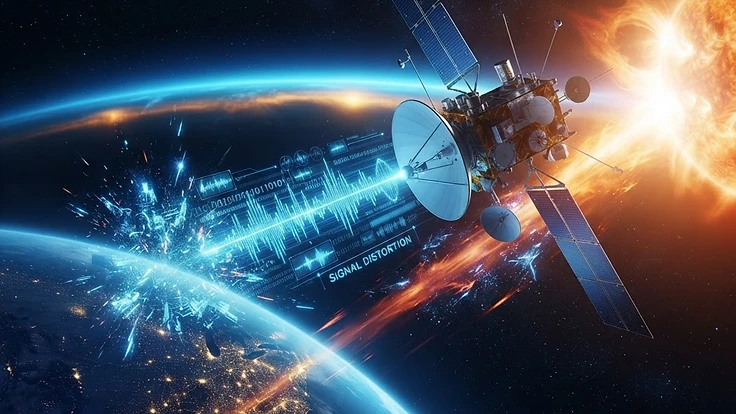
When this radiation hits the ionosphere, it increases the density of free electrons. This sudden change disrupts the path of signals travelling between a satellite and a receiver on the ground. GPS signals must pass through this layer to determine their precise position, and if the ionosphere is heavily disturbed, the signals can scatter or experience significant delays.
Solar activity is often categorised by the [G-scale](/ #kp), which measures geomagnetic storm intensity. These storms are driven by solar flares and coronal mass ejections that push charged particles into our magnetic field. Significant geomagnetic activity can lead to a phenomenon known as scintillation, where the signal fluctuates rapidly and causes the receiver to lose its lock on the satellites.
Real-World Implications
Navigation errors might seem like a minor inconvenience, but they have profound consequences in industrial and transport sectors. In precision agriculture, where farmers use automated machinery guided by satellite data, a signal shift of even a few metres can lead to significant economic loss. Similarly, aviation and maritime sectors rely on consistent positioning to ensure safety during transit.
Beyond navigation, solar flares and their impact on earth can induce currents in power grids and interfere with high frequency radio communications. These systems are interconnected, meaning a disruption in one area often cascades into others. Because these systems use complex modelling to predict error, unexpected solar events can overwhelm existing corrective measures.
We must recognise that we are currently within Solar Cycle 25, which began in December 2019 and is trending toward higher activity. This period of increased solar output means the probability of signal interference is higher than during solar minimum. Maintaining infrastructure resilience requires constant monitoring of the space environment to prepare for these inevitable perturbations.
What You Can Do
Staying informed is the most effective way to navigate the uncertainties of space weather. You do not need to be a scientist to understand the risk, as many tools exist to provide accessible updates. Monitoring the current [Kp index](/ #kp) allows you to gauge whether current solar activity is likely to disrupt satellite signals in your region.
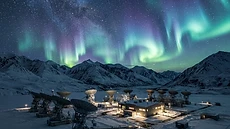
If you are planning an expedition to view the night sky, keep in mind that strong solar activity is a double edged sword. While it may increase your chances of seeing the aurora, it also indicates conditions that could degrade your navigation tools. You can look into guided aurora tours in countries like Iceland, Norway, or Canada to ensure you are travelling with professionals who have expertise in managing these environmental factors.
For developers or enthusiasts, consider using embeddable widgets on your own websites to track real-time space weather data. Keeping an eye on solar imagery via archives like the SDO gallery also helps in visualising the activity happening on the solar surface. Being proactive allows you to adjust your plans before a major event occurs.
Key Takeaways
Satellite navigation is an essential utility, but it is vulnerable to the shifting conditions of our space environment. Solar flares influence the ionosphere, creating an unpredictable atmosphere that can delay or distort the signals our devices rely on. While the Sun is a natural force we cannot control, we have the technology to monitor its behaviour.
By leveraging modern tracking tools and remaining aware of solar cycles, we can protect our infrastructure and maintain the integrity of our global positioning systems. Whether for professional navigation or simply enjoying the wonders of the night sky, understanding space weather is a vital skill for the modern era. Keep following our blog for more insights into how the Sun continues to shape our technological future.
People Also Ask
Can a solar flare permanently break my GPS?+
No, solar flares do not permanently damage GPS receivers. They create temporary ionospheric interference that causes signal delays or loss of connectivity. Once the solar activity subsides and the ionosphere stabilizes, satellite navigation systems typically resume normal operation without any lasting hardware failure.
How do solar flares affect airline travel?+
Solar flares can disrupt high-frequency radio communications used by aircraft for air traffic control over remote regions like the poles. They may also interfere with satellite-based navigation and radiation monitoring systems, forcing airlines to reroute flights to lower latitudes where the magnetic interference is less severe.
What is the most powerful solar flare ever recorded?+
The most powerful solar flare ever observed occurred in 2003, during a series of intense events. However, the 1859 Carrington Event remains the most extreme solar storm in recorded history, causing widespread telegraph system failures and visible aurora displays in tropical regions around the globe.
Continue Reading
Forecast These Questions
View all →Express your probability on these active forecast questions.