Solar Flares Appear As Intense Flashes Of Energy
Solar flares are dramatic releases of electromagnetic radiation from the Sun's surface. Understanding their visual impact and scientific nature helps us prepare for space weather events.
Solar Flares Appear As Intense Flashes Of Energy
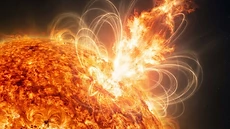
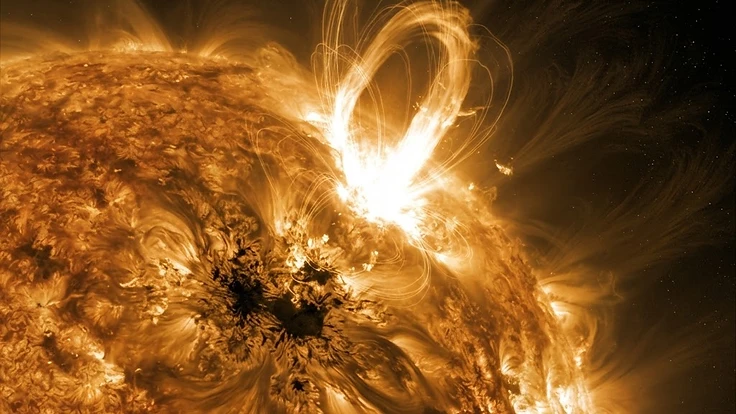
Solar flares are sudden, powerful eruptions of electromagnetic radiation originating from the Sun's atmosphere. When magnetic energy builds up near sunspots, it releases rapidly, creating a brilliant burst of light across the entire spectrum, from radio waves to X-rays.
Live Solar Flare Monitor
Powered by Flarient — embed this on your site →
These events do not look like a single flicker of light to the human eye, but appear as intense, localized brightenings on the solar surface. They remain a primary focus for scientists studying the complex dynamics of The Solar Cycle and the Dynamics of Space Weather.
The Science Behind It
At the core of a solar flare is the reconnection of magnetic field lines. This process releases massive amounts of stored energy in the solar corona, which is the Sun's outer atmosphere. The energy accelerates charged particles to near light speed, creating the distinct glow seen in high-resolution solar imagery.
Flares are categorised into classes based on their X-ray brightness. These include A, B, C, M, and X, with each level representing a tenfold increase in energy output. An X-class flare is the most potent, capable of causing significant disruptions to our planetary systems and atmosphere.
Real-World Implications
The most immediate impact of a significant flare is the ionisation of Earth's upper atmosphere. This can disrupt high-frequency radio communications and navigation systems used by aviation and maritime industries. Engineers must constantly monitor this activity, as detailed in [Satellite Operators Mitigate Space Weather Risks Through Resilience](/blog/satellite-operators-mitigate-space-weather-risks-through-resilience).
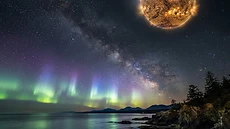
Beyond radio waves, intense solar activity can drive geomagnetic storms, which are measured using the [G-scale](/ #kp). These storms often lead to the spectacular [aurora](/ #aurora) displays witnessed in high-latitude regions. While the visual beauty of these lights is undeniable, they serve as a potent reminder of the magnetic connection between the Sun and our home planet.
What You Can Do
Staying informed about space weather requires access to reliable data. You can keep track of solar activity by viewing a [local aurora forecast](/ #local) to see if conditions are favourable for stargazing in your region. For those who want to see these events in person, many travellers enjoy guided aurora tours in countries such as Iceland, Norway, Canada, Finland, Sweden, and Alaska.
If you manage a website or a personal blog, consider using our embeddable widgets to share real-time solar data with your audience. This helps community members understand current space weather conditions without needing to navigate complex scientific archives. You can also explore our glossary to learn more about the terminology used to describe solar phenomena.
Key Takeaways
Solar flares represent the raw, magnetic power of our nearest star. While they are fascinating to observe through professional instruments, they also dictate the conditions of our local space environment. Understanding these events is a fundamental part of living in a technologically dependent society.
We continue to learn more about these eruptions as we progress through Solar Cycle 25. By maintaining vigilance and utilizing modern tracking tools, we can better appreciate the celestial mechanics that drive our world. The study of the Sun remains essential for securing our future in the solar system.
Observation note
Readers interested in imaging solar features like sunspots or tracking activity through the solar cycle may consider one compact option for daytime solar and general astrophotography: Explore a compact capture setup.
Ad · Affiliate link. Flarient may earn a commission if you purchase through this link, at no additional cost to you.
People Also Ask
Can you see solar flares with the naked eye?+
No, you cannot see solar flares with the naked eye. They occur in wavelengths like X-rays and extreme ultraviolet, which our eyes cannot detect. Never look directly at the Sun without certified solar filters, as doing so can cause permanent, severe eye damage or blindness.
How long does it take for a solar flare to reach Earth?+
The electromagnetic radiation from a solar flare, including light and X-rays, travels at the speed of light and reaches Earth in about eight minutes. However, the charged particles associated with coronal mass ejections travel much slower, typically arriving in one to three days, depending on their speed.
Are solar flares dangerous to humans on Earth?+
Solar flares are not directly dangerous to humans on the surface of the Earth. Our planet's thick atmosphere and magnetic field act as a shield, absorbing the harmful radiation. The primary risks of solar flares are related to technological infrastructure, such as satellite communications and electrical power grids.
Continue Reading
Forecast These Questions
View all →Express your probability on these active forecast questions.