The Disconnect Between Solar Activity and Terrestrial Earthquakes
Common myths suggest solar flares trigger earthquakes, but modern science tells a different story. Explore the reality of space weather and its limited impact on our planet's crust.
The Disconnect Between Solar Activity and Terrestrial Earthquakes
Solar activity shapes the environment of our near-Earth space, but the idea that flares cause seismic activity remains a persistent myth. While space weather can disrupt our satellites and power grids, its influence does not extend to the solid crust of the Earth. Understanding the boundary between solar physics and terrestrial geology is essential for separating genuine scientific concerns from popular misconceptions.
Live Solar Flare Monitor
Powered by Flarient — embed this on your site →
The Science Behind It
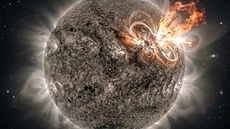
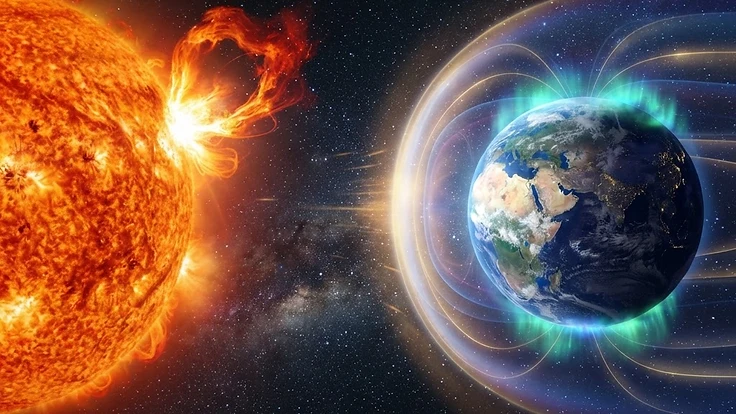
The sun operates on a cycle of approximately 11 years, during which it releases energy in the form of flares and coronal mass ejections. These events send radiation and charged particles racing across the solar system at speeds ranging from a few hundred to several thousand kilometres per second. When this solar wind reaches our magnetosphere, it can trigger a geomagnetic storm of varying intensity.
The NOAA SWPC classifies these events using the G-scale, which helps experts quantify potential impacts on technology.
Despite the intensity of a G5 storm, the energy involved remains confined to the upper atmosphere and the magnetosphere.
There is no physical mechanism by which electromagnetic energy from the sun can reach the deep crust and trigger the tectonic shifts required for an earthquake.
Real-World Implications
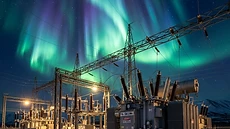
While solar flares do not trigger earthquakes, they do pose legitimate risks to our technological infrastructure. Intense solar events can induce currents in long conductors like power lines, which can lead to grid instability and potential blackouts. This is why satellite operators mitigate space weather risks through resilience during periods of high solar activity.
Communication systems also face challenges, as high-frequency radio waves are often absorbed or distorted by ionospheric changes. Unlike the exaggerated claims of seismic activity, these technological disruptions are well documented and actively managed by engineers worldwide. You can explore past events to see how previous solar maxima have impacted human systems without causing geological instability.
What You Can Do
Instead of worrying about solar-triggered earthquakes, focus on monitoring the real-time conditions that actually affect our technology. Keeping an eye on the current solar environment helps you understand when space weather is likely to impact communications or power quality. You might consider using embeddable widgets to keep track of these metrics on your own platforms, ensuring you have access to accurate data as it happens.
If you have a passion for atmospheric science, you may also enjoy seeing the visible results of space weather through [guided aurora tours](https://vi.me/HuXHi) in countries like Iceland, Norway, Canada, and Finland. Observing the auroral oval firsthand offers a stunning reminder of the sun's power.
It is a far more rewarding endeavour than tracking pseudoscience regarding crustal movements.
Key Takeaways
Solar flares are fundamental events on our dynamic star, but they do not cause earthquakes. The Earth remains protected by its magnetic field, which shields the surface from the direct effects of solar wind and radiation. While solar flares are a fundamental reality of our dynamic star, their impact is limited to the atmosphere and human technology.
By focusing on verifiable data, we can better prepare for genuine space weather events. Whether you are interested in power grid resilience or simply fascinated by the Northern Lights, grounding your expectations in established science is the best path forward. Stay informed through reliable sources to ensure you remain clear on the facts.
Observation note
For readers curious about documenting visible solar features such as sunspots or partial eclipses, one accessible route is a compact, portable setup suited to field use and short observing sessions. Explore a compact capture setup.
Ad · Affiliate link. Flarient may earn a commission if you purchase through this link, at no additional cost to you.
Continue Reading
Forecast These Questions
View all →Express your probability on these active forecast questions.