The Reality of Solar Flares Hitting Earth
Solar flares constantly influence our planet, but do they pose a physical threat? We explore the science of solar activity and how space weather impacts our technology.
Solar Flares and Their Interaction with Earth
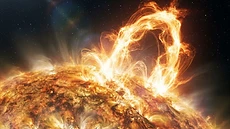
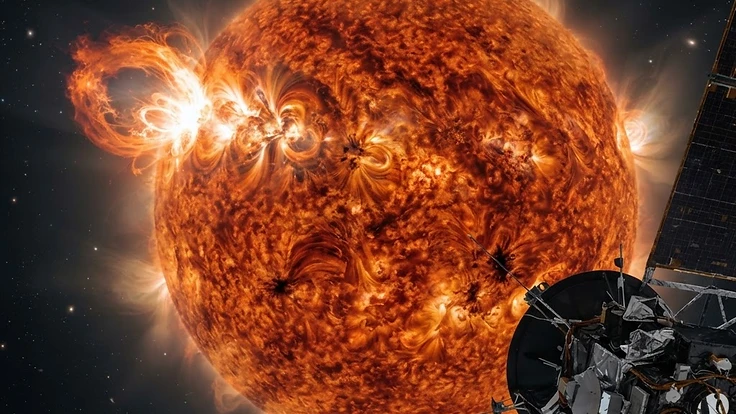
Solar flares are sudden, intense bursts of radiation emanating from the sun. They occur when magnetic energy that has built up in the solar atmosphere is suddenly released.
Live Solar Flare Monitor
Powered by Flarient — embed this on your site →
While these events are common, the question of whether they hit Earth is central to understanding space weather. The answer involves both direct radiation and the arrival of charged particles.
The Science Behind It
Solar flares are classified by their strength, ranging from the smallest A-class to the most powerful X-class. Each letter represents a ten-fold increase in energy output compared to the previous class.
When a flare occurs, electromagnetic radiation travels at the speed of light, reaching our planet in about eight minutes. This radiation affects the upper atmosphere and can briefly disrupt radio communications.
However, the more significant impact often comes from Coronal Mass Ejections, which are distinct solar events often associated with large flares. These ejections send clouds of solar plasma into space at speeds reaching 3,000 kilometres per second.
When this plasma reaches Earth, it interacts with our planet's magnetic field, potentially causing a geomagnetic storm. You can view recorded data from historical instances on our archive to better understand these patterns.
Real-World Implications
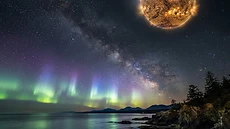
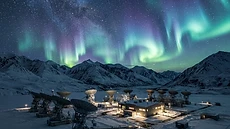
The most visible sign of a significant geomagnetic storm is the aurora, which manifests as colourful lights dancing in the night sky. While beautiful, these storms can also stress technological infrastructure.
Strong geomagnetic storms, measured by the G-scale from G1 to G5, can induce currents in power grids. Large-scale events, such as the Carrington Event of 1859, show the potential for extreme geomagnetic disruption.
Satellite operations are particularly sensitive to these environments. Increased particle density can cause drag on satellites orbiting at altitudes like the 408 kilometre mark used by the ISS.
We must constantly monitor these developments to protect global communications and navigation systems. Understanding these dynamics is essential for modern infrastructure, as discussed in our analysis on Solar Flares Pose No Risk of Global Destruction.
What You Can Do
Staying informed is the best way to manage the unpredictability of space weather. Regularly checking the NOAA SWPC provides the most current data on solar indices and storm warnings.
If you are planning to witness the northern lights, consider booking guided aurora tours in destinations like Iceland, Norway, Canada, or Sweden. These experts use local knowledge to ensure you are in the best position to see the display when activity is high.
For those interested in tracking solar events from home, you can use embeddable widgets on your own website to share real-time data with your community. These tools make complex solar imagery accessible to everyone.
Key Takeaways
Solar flares and their associated particle ejections are a natural part of the roughly 11-year solar cycle. While they cannot physically strike Earth like an asteroid, their electromagnetic influence is undeniable.
Modern society relies on sensitive technology that must be engineered to withstand these periodic surges. By monitoring the K-index and staying updated with NOAA, we can mitigate the risks posed by space weather.
People Also Ask
What is the difference between a solar flare and a CME?+
A solar flare is a burst of intense electromagnetic radiation, while a Coronal Mass Ejection (CME) is a massive cloud of solar plasma and magnetic field ejected into space. Flares travel at the speed of light, while CMEs travel much slower, taking days to reach Earth.
How often do solar flares occur?+
Solar flare frequency correlates with the 11-year solar cycle. During the solar maximum, multiple flares can occur daily, while fewer occur during the solar minimum. Flares are a constant phenomenon, though their intensity varies significantly depending on the magnetic complexity of active sunspot regions.
Can solar flares cause global power outages?+
Extreme geomagnetic storms caused by solar activity can induce currents in long-distance transmission lines, potentially causing grid instability. While power companies have sophisticated mitigation strategies, a G5-level event could trigger widespread outages, though such events are historically rare and generally well-managed by modern infrastructure.
Continue Reading
Forecast These Questions
View all →Express your probability on these active forecast questions.