The Relationship Between Solar Activity and Human Health
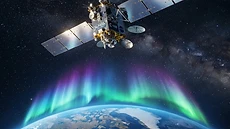
Discussions regarding solar flares often focus on satellite disruption, but anecdotal reports of headaches during geomagnetic storms persist. We analyse the scientific evidence behind this phenomenon.
The Connection Between Solar Flares and Physical Well Being
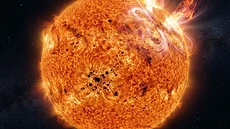
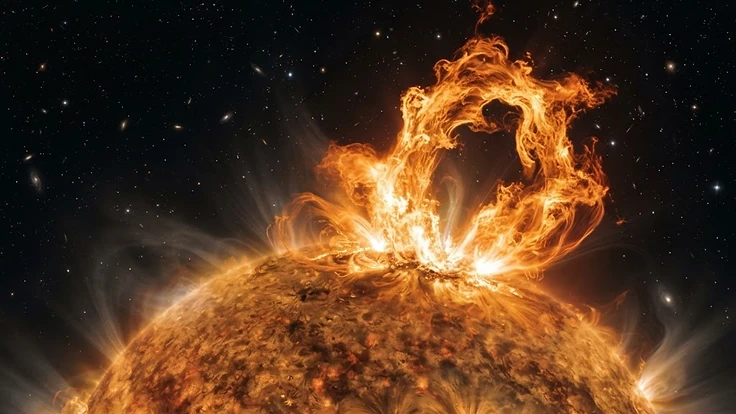
Solar activity follows a cycle of roughly 11 years, dictating the intensity of space weather that interacts with our planetary magnetosphere. While the NOAA SWPC focuses primarily on infrastructure, aviation, and power grids, many individuals report physiological symptoms like headaches or fatigue when solar activity peaks.
Live Solar Flare Monitor
Powered by Flarient — embed this on your site →
This intersection of heliophysics and human biology remains a subject of intense public curiosity and ongoing scientific debate.
Understanding the actual physical link requires separating folklore from verified data. Solar flares release electromagnetic radiation that reaches Earth at the speed of light, while coronal mass ejections deliver plasma that follows later. Distinguishing between these transient events and the long term understanding the solar cycle and its impact on space weather is vital for accurate assessment.
The Science Behind It
Solar flares are classified by intensity as A, B, C, M, or X, with each class being ten times more powerful than the last. These eruptions emit X rays and extreme ultraviolet light that ionise Earth's upper atmosphere within minutes. However, this radiation is largely blocked by our protective atmosphere, preventing it from interacting directly with human physiology.
Geomagnetic storms, which follow the arrival of solar wind, are measured using the Kp index. This scale ranks disturbances from 0 to 9, where higher numbers indicate more significant magnetic fluctuations. Scientists often consult a glossary to differentiate between these subtle magnetic variations and the intense disruptions seen in the strongest storms on record.
Some researchers suggest that rapid changes in magnetic fields could influence biological rhythms or cellular ion channels. While the evidence remains inconclusive, the potential for non visual electromagnetic sensitivity in humans is a legitimate area of study in biophysics. We must rely on controlled observation rather than assumption when evaluating these effects.
Real World Implications
Beyond individual health concerns, high levels of solar activity have measurable impacts on our modern environment. The ionosphere becomes disturbed, which degrades high frequency radio communication and disrupts global positioning systems. You can observe these effects in real time using embeddable widgets that provide live telemetry data.
Infrastructure is also at risk, as extreme geomagnetic events can induce currents in long distance power lines. This phenomenon historically caused significant failures, such as those noted in our archive of past events. Understanding these risks is as important as tracking the potential impact of a near-Earth asteroid on our planet.
What You Can Do
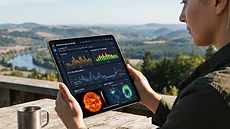
Preparation for space weather events is quite similar to tracking traditional meteorological reports. By monitoring real time data, you can better understand how your environment fluctuates during peak solar activity. Flarient offers a free live dashboard that helps you track current conditions, which allows for better personal planning during active cycles.
If you are interested in witnessing the visual manifestation of these magnetic events, consider planning a trip to the auroral oval. Taking [guided aurora tours](https://vi.me/HuXHi) in countries such as Iceland, Canada, or Finland provides an unmatched perspective on how our atmosphere reacts to solar wind.
These experiences offer a profound appreciation for the beauty of space weather, regardless of any physical symptoms you might personally feel.
Key Takeaways
Scientific consensus currently suggests that the direct biological impact of solar flares on human health is minimal. Most headaches or physiological shifts reported during solar events are likely coincidental or influenced by the stressors of modern life rather than magnetic fields. We must approach these topics with a healthy dose of scepticism and empirical rigour.
Staying informed about the solar cycle ensures you remain aware of the changing environment around us. Whether you are observing solar imagery from satellites or simply curious about the ionospheric disturbances that pose risks to drone operations, staying educated is your best defence. Continued observation will eventually provide the clarity we need to distinguish between correlation and causation in the complex dance between the Sun and Earth.
People Also Ask
Do solar flares affect the human brain?+
There is no robust scientific evidence that solar flares directly affect the human brain. While some individuals report symptoms during geomagnetic storms, these are not proven to be caused by electromagnetic radiation or magnetic field fluctuations, as our atmosphere provides significant shielding.
What is the Kp index?+
The Kp index is a global geomagnetic activity index that ranges from 0 to 9. It measures the level of disturbance in Earth's magnetic field caused by solar wind. A Kp index of 5 or higher is typically classified as a geomagnetic storm.
Can solar flares cause migraines?+
No definitive clinical research links solar flares to the onset of migraines. While some studies explore the potential for magnetic sensitivity, current scientific data suggests that reported associations are often coincidental or related to other environmental factors rather than direct solar influence.
Are solar flares dangerous to humans on Earth?+
Solar flares are not dangerous to humans on the surface of the Earth. The atmosphere and magnetosphere provide excellent protection against the X-rays and high energy particles emitted during solar events. Astronauts in space, however, face higher radiation risks during major events.
Continue Reading
Forecast These Questions
View all →Express your probability on these active forecast questions.