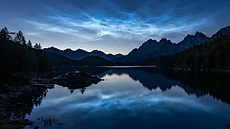
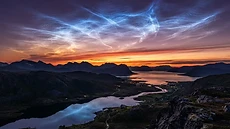
Pronouncing Noctilucent Clouds Correctly
Learn the proper pronunciation of noctilucent clouds while discovering the unique science behind these rare, high-altitude atmospheric phenomena.
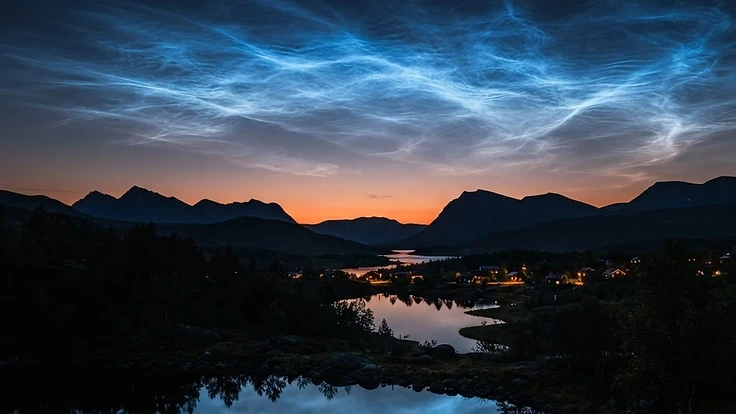
Noctilucent Clouds Are Named for Their Nightly Glow
The term noctilucent is derived from Latin, specifically noctis for night and lucent for shining. This linguistic root provides the perfect guide for correct pronunciation.
You should say nok-tee-loo-sent. The emphasis falls on the third syllable, making it easy to say while capturing the poetic nature of these shimmering clouds.
The Science Behind It
These clouds form in the mesosphere, roughly eighty kilometres above the Earth. They occupy a layer far higher than standard weather clouds, which rarely exceed twenty kilometres in altitude.
To become visible, water vapour must freeze onto tiny particles, often from meteoric dust. This unique formation process requires extreme cold and specific lighting angles during the summer months near the poles.
While we study them closely, they represent a different phenomenon than the aurora displays that dance in the magnetosphere. Understanding these structures helps scientists track changes in the upper atmosphere, much like tracking the impact of a near-Earth asteroid helps map our cosmic neighbourhood.
Real-World Implications
Noctilucent clouds serve as sensitive indicators of atmospheric change. Because they form at such high altitudes, their frequency and brightness can signal shifts in greenhouse gas concentrations and temperature trends.
They do not disrupt radio communications or power grids, unlike the severe disturbances seen during a massive geomagnetic storm. They remain passive observers of our planetary health, floating silently while we monitor more volatile space weather events on the storm leaderboard.
What You Can Do
Observing these clouds requires patience and a clear view of the horizon during nautical twilight. You need to look toward the poleward side of the sky when the sun is between six and sixteen degrees below the horizon.
If you are planning to travel for skywatching, you might consider booking guided aurora tours in countries like Iceland, Norway, Canada, or Alaska, as these regions offer prime conditions for both noctilucent clouds and northern lights. You can also use embeddable widgets on your personal blog or website to keep your audience updated on the latest atmospheric data.
Key Takeaways
Correctly pronouncing noctilucent is a simple matter of breaking down its Latin roots into phonetics. These clouds remind us that the upper reaches of our atmosphere remain a place of constant wonder and scientific discovery.
By keeping a close watch on these shimmering night clouds, you engage with the beauty of our planet. Always check the glossary for more terms if you want to deepen your understanding of the heavens above.
For observers
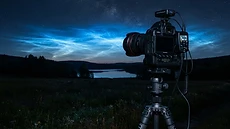
If you want to try photographing noctilucent displays, one compact option for portable astrophotography setups is available; See an accessible way to capture the sky.
Ad · Affiliate link. Flarient may earn a commission if you purchase through this link, at no additional cost to you.
People Also Ask
What causes noctilucent clouds to shine?+
Noctilucent clouds shine because they exist so high in the atmosphere that they catch direct sunlight long after the sun has set at ground level. This backlighting against the dark twilight sky creates their signature glowing, electric-blue appearance.
How high are noctilucent clouds?+
These clouds form in the mesosphere, typically at an altitude of 76 to 85 kilometres above the Earth. This makes them the highest clouds in our atmosphere, located well above the weather systems that produce rain and snow.
Can I see noctilucent clouds from anywhere?+
They are most commonly visible from latitudes between 50 and 70 degrees north or south during the summer months. Observers closer to the equator rarely see them because the angle of the sun at twilight is not low enough to illuminate the high-altitude cloud layers.
Continue Reading
Forecast These Questions
View all →Express your probability on these active forecast questions.