Solar Flares Are A Fundamental Reality Of Our Dynamic Star
Solar flares are not just scientific theories; they are high-energy explosions that shape our space environment. Understand the reality of solar activity and how it influences life on Earth.
Solar Flares Are A Fundamental Reality Of Our Dynamic Star
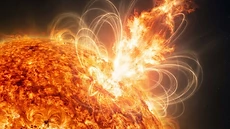
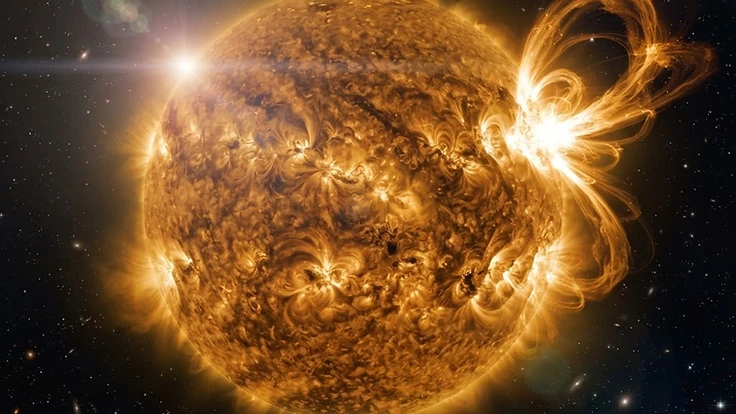
Solar flares are far more than academic concepts or science fiction tropes. They represent the most violent eruptions in our solar system, occurring when magnetic energy stored in the solar atmosphere is suddenly released.
Live Solar Flare Monitor
Powered by Flarient — embed this on your site →
These events are a documented, measurable part of our Sun’s existence. Understanding them is essential for anyone interested in the mechanics of our solar neighbourhood.
The Science Behind It
The Sun operates on an approximate 11-year cycle, with Solar Cycle 25 having commenced in December 2019. Flares occur when twisted magnetic field lines snap and reconnect, accelerating particles to near-light speed.
Astronomers classify these flares using a letter-based system: A, B, C, M, and X, with each class representing a tenfold increase in energy. An X-class flare is the most powerful category, capable of causing significant disruptions.
These eruptions often accompany coronal mass ejections, which launch billions of tonnes of plasma into space. While solar radiation travels at 300,000 kilometres per second, solar wind typically takes days to traverse the distance to Earth at 400 to 700 kilometres per second.
Real-World Implications
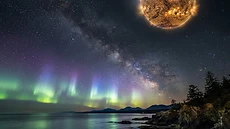
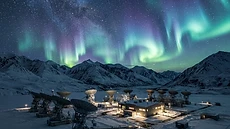
The most visible impact of solar activity is the aurora, which occurs when charged particles interact with our magnetosphere. We measure the intensity of the resulting geomagnetic disruption using the G-scale, which runs from G1 to G5.
Strong geomagnetic storms, often defined by the Dst index reaching values like -100 nT, can induce currents in power grids on the ground. These currents pose a risk to transformers and can disrupt long-distance communication systems.
Satellite operators also face challenges, as increased solar activity heats the upper atmosphere, causing it to expand. This process increases drag, as discussed in our piece on satellite reentry and the physics of orbital decay, leading to premature orbital degradation.
What You Can Do
Monitoring space weather is now more accessible than ever for the general public. By keeping an eye on solar imagery or checking a live dashboard, you can stay informed about current conditions.
If you are interested in tracking space weather data on your own website, you might explore embeddable widgets that display real-time activity. Keeping abreast of the latest glossary terms also helps in interpreting complex data sets.
Preparation for space weather is similar to preparing for terrestrial storms. Being aware of the current environment allows enthusiasts to predict visual events and understand technological risks.
Prefer to let a local guide do the driving? Bookable aurora tours operate in Tromsø, Reykjavik, Yellowknife and Fairbanks, taking you straight to the night's best viewing window.
Key Takeaways
Solar flares are real, measurable, and deeply influential phenomena that define our relationship with the Sun. Whether they cause beautiful light displays or temporary technical hurdles, they are a testament to the power of our star.
By studying these events, we gain insight into the broader mechanics of the universe. Consulting an archive of past events helps put modern activity into proper perspective, showing that we live in a naturally volatile environment.
Continue Reading
Forecast These Questions
View all →Express your probability on these active forecast questions.