Tracking Satellites in Real Time
Discover how scientists and enthusiasts monitor thousands of artificial satellites orbiting Earth using precise orbital mechanics and modern tracking technology.
Understanding Real Time Satellite Tracking
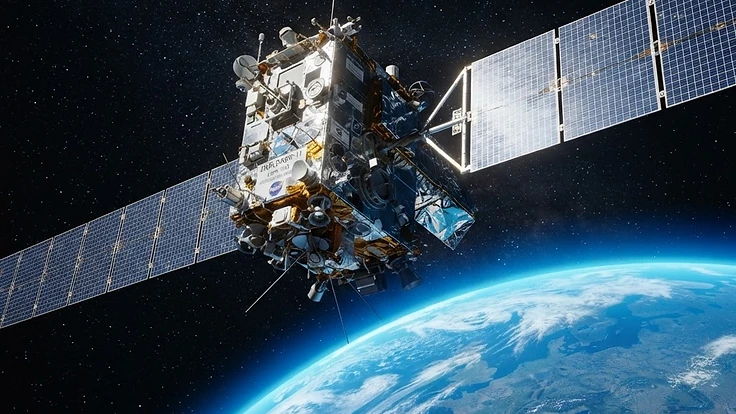
Humanity has filled the low Earth orbit with thousands of active and defunct satellites. Monitoring these objects in real time is a feat of both mathematical precision and global coordination. While these machines seem to zip silently overhead, they follow rigid paths governed by the fundamental laws of motion.
Tracking these satellites involves more than just looking up at the sky. It requires processing complex data sets derived from radar stations and ground based observatories. Understanding this process provides a unique window into how we maintain our modern technological infrastructure, from navigation to global communications.
The Science of Orbital Mechanics
Every satellite orbits our planet based on Keplerian laws of motion. These laws dictate the shape and speed of an object as it travels around the Earth. Scientists use Two Line Element sets, known as TLEs, to define the precise position and trajectory of these craft at any given moment.
Gravity keeps these objects in place, but atmospheric drag at lower altitudes eventually slows them down. Satellites like the International Space Station, which orbits at approximately 408 kilometres, require periodic adjustments to maintain their altitude. If you want to understand these gravitational interactions better, you can explore the glossary to learn more about orbital velocity and altitude.
Real World Implications of Satellite Tracking
Satellite tracking is critical for preventing collisions in an increasingly crowded space environment. Space debris pose significant threats to active assets and the future of space exploration. Tracking systems allow space agencies to calculate potential close approaches and coordinate avoidance manoeuvres if necessary.
This monitoring also supports industries that rely on precise orbital data. From GPS navigation to weather prediction, our daily life depends on the health and stability of these orbital assets. Frequent analysis of orbital stability, much like studying the impact of solar activity on satellites as discussed in our piece on solar flares and the reliability of GPS navigation, ensures our systems remain reliable.
How You Can Monitor the Skies
Technology has made it easier than ever for the public to engage with space tracking. Many websites and mobile applications now provide real time visualisations of satellite positions based on current orbital data. These tools allow you to see exactly what is flying over your house at any moment.
If you are interested in the broader context of space activity, you might also find it helpful to monitor the local aurora forecast to see how space weather might affect satellite performance. You can even use embeddable widgets on your own website to share these live tracking feeds with your audience. Tracking satellites offers a grounded way to appreciate the sheer scale of the network that powers our digital lives.
If reading Kp charts isn't your idea of a holiday, Northern Lights guided tours across Iceland, Canada and Scottish Highlands handle the science so you can simply look up.
Key Takeaways
Satellite tracking is the backbone of our modern space presence. By combining simple orbital physics with advanced radar data, we keep our orbital highways clear and functioning. Understanding this process demystifies the streaks of light we see in the night sky.
Whether you are a casual observer or a student of physics, the tools to track these assets are now at your fingertips. Keeping an eye on what is above us is the first step toward better stewardship of our space environment. It remains a fascinating hobby that connects our local perspective to the vast, complex machine of humanity in orbit.
People Also Ask
How do satellites stay in orbit?+
Satellites stay in orbit by travelling at a speed that creates a perfect balance between their forward momentum and the pull of Earth's gravity. This constant freefall prevents them from flying off into space or crashing back to the surface, maintaining a stable path around our planet.
Can I see satellites with the naked eye?+
Yes, many satellites are visible to the naked eye as they reflect sunlight. They often look like small, steady stars that move slowly across the night sky, distinct from the blinking lights of an aeroplane. They are best viewed shortly after sunset or just before sunrise when the sun hits them.
Why is space debris a problem?+
Space debris consists of old rocket bodies and inactive satellites that travel at incredible speeds. Because they are not controlled, they pose a collision risk to functioning satellites and the ISS. Even small pieces of debris can cause significant damage, making tracking and collision avoidance a vital task.
Continue Reading
Forecast These Questions
View all →Express your probability on these active forecast questions.