How Geomagnetic Storms Impact Global Power Grids
Geomagnetic storms caused by solar activity can induce currents in power grids, posing risks to transformers and electrical infrastructure. Understanding these interactions is essential for modern grid resilience.
Geomagnetic Storms Interact With Global Power Grids
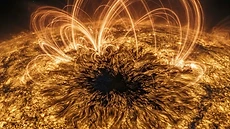
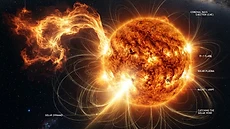
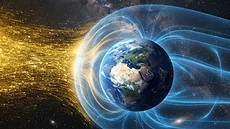
Geomagnetic storms represent one of the most significant space weather phenomena affecting modern civilisation. When the Sun releases large bursts of energy known as coronal mass injections, these solar winds travel through space and collide with the Earth magnetic field. The resulting disruption can have profound consequences for our planet electrical infrastructure.
Live Space Weather Dashboard
Powered by Flarient — embed this on your site →
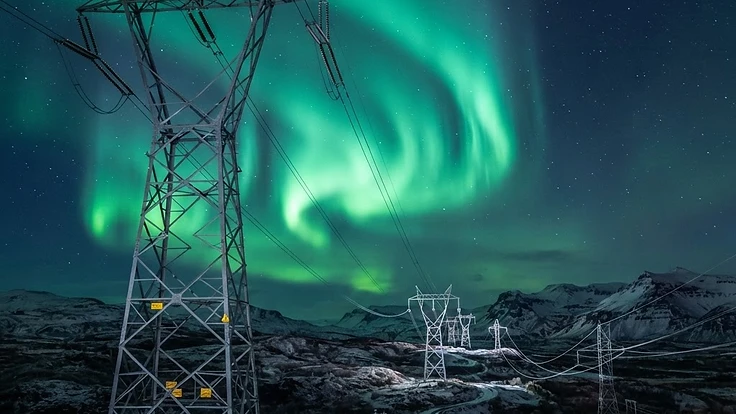
While most people associate these events with the beautiful aurora, the physical impact on high voltage transmission lines is a serious technical concern for utility operators. As we rely increasingly on interconnected power networks, understanding these disturbances becomes vital for maintaining stable energy supplies.
The Science Behind It
Solar activity follows a cycle of approximately 11 years, during which the frequency of solar flares and mass ejections fluctuates. These particles travel at speeds ranging from 400 to 700 kilometres per second, though fast coronal mass ejections can reach speeds of 3,000 kilometres per second. When they arrive, they cause rapid fluctuations in the magnetic field near the Earth surface.
These magnetic changes induce ground level electric currents known as geomagnetically induced currents or GIC. Because power grids consist of long conducting wires that stretch across continents, they act as massive antennas for these induced currents. You can learn more about how experts analyse these events through [understanding the Dst index and geomagnetic storm intensity](/blog/understanding-the-dst-index-and-geomagnetic-storm-intensity).
When these currents enter the grid, they flow through the neutral grounding points of large transformers. The resulting direct current can cause the transformer core to saturate, which leads to overheating and potential physical damage. This phenomenon is a primary reason why grid operators must maintain a constant glossary of safety protocols.
Real-World Implications
The most immediate threat to infrastructure involves the potential for large scale blackouts during severe geomagnetic events. If transformers across a wide region sustain simultaneous damage, the time required to manufacture and replace these units could span several months. This is why monitoring solar storms to protect satellite infrastructure is such a high priority for international space agencies.
Beyond power grids, communications and satellite systems face direct interference from heightened solar activity. The K-index is frequently used to measure the level of disturbance, with higher values indicating a greater risk to electrical equipment. A severe storm on the G-scale, specifically a G5, can cause widespread control problems and potential grid collapses if not managed correctly.
What You Can Do
Staying informed is the first step in preparing for significant solar events. You can monitor live data on the storm leaderboard to see how current conditions compare to historical records. Using embeddable widgets on your own website or dashboard is also an excellent way to keep your team or community updated with real time tracking.
For those interested in witnessing the atmospheric beauty that accompanies these storms, guided aurora tours in locations ranging from Iceland and Norway to Canada and Alaska offer incredible experiences during periods of high solar activity. Ensuring you have access to accurate information allows you to distinguish between minor fluctuations and significant threats.
Always rely on verifiable data sources to guide your preparation and situational awareness.
Key Takeaways
Geomagnetic storms are an inherent part of living on a planet with an active magnetic field. While they create spectacular visual displays, they also pose technical challenges that require sophisticated grid engineering and careful monitoring. By tracking solar activity through reliable platforms, we improve our collective ability to safeguard essential infrastructure.
Understanding the mechanics behind these events helps demystify the risks involved. It transforms a potentially scary unknown into a manageable technical variable. As we continue to advance our technology, our commitment to monitoring space weather will remain a cornerstone of global stability.
People Also Ask
Can solar storms cause permanent damage to a power grid?+
Yes, severe geomagnetic storms can cause permanent damage to power grid infrastructure, specifically large power transformers. The induced currents can cause overheating and internal damage, which is costly and time-consuming to repair, potentially leading to long-term outages if many units are compromised at once.
How do grid operators protect electricity from solar storms?+
Grid operators monitor solar weather forecasts to prepare for incoming geomagnetic activity. Protective measures include adjusting power loads, temporarily disconnecting sensitive equipment, or ensuring that transformers can withstand increased thermal stress. Advanced modelling allows for predictive responses to mitigate the impact of induced electrical currents.
Are all power grids equally vulnerable to space weather?+
Not all grids are equally vulnerable. Factors such as geographical latitude, the electrical resistance of the local geology, and the specific architecture of the transmission network play major roles. Grids at higher latitudes are generally more susceptible due to their closer proximity to the geomagnetic poles.
Continue Reading
Forecast These Questions
View all →Express your probability on these active forecast questions.