Solar Flares and Coronal Mass Ejections Are Distinct Solar Events
Solar flares and coronal mass ejections are often confused, yet they represent entirely different physical phenomena. Understanding the distinction is vital for anyone tracking space weather impacts on Earth.
Solar Flares and Coronal Mass Ejections Are Distinct Solar Events
Space weather remains one of the most dynamic forces impacting our technological society. While terms like solar flare and coronal mass ejection are used interchangeably in casual conversation, they describe fundamentally different events on the Sun. Clarifying these terms helps us better understand how our star influences the near-Earth environment.
Live Space Weather Dashboard
Powered by Flarient — embed this on your site →
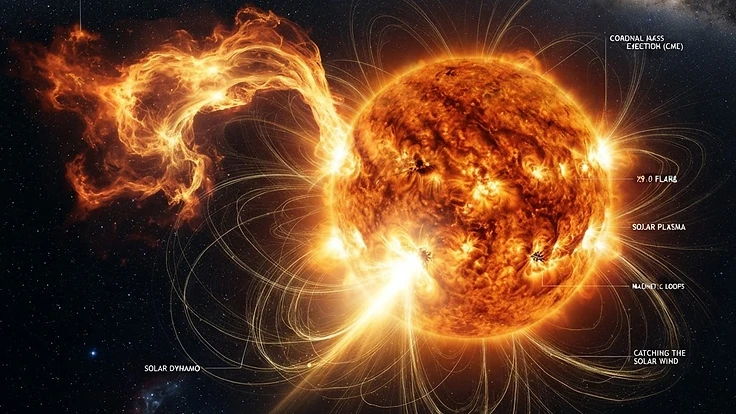
Solar flares are intense bursts of electromagnetic radiation originating from the release of magnetic energy associated with sunspots. These flashes arrive at Earth at the speed of light, which is approximately 300,000 kilometres per second. Because they consist of light, they influence the ionosphere within minutes of their detection.
The Science Behind It
Think of a solar flare as a sudden, massive explosion of light across the entire electromagnetic spectrum. Astronomers classify these events using the letters A, B, C, M, and X, with each letter representing a tenfold increase in energy output. This light is essentially a flash of energy that does not carry significant physical mass.
In contrast, a coronal mass ejection or CME is a colossal eruption of solar material. These events involve billions of tonnes of plasma and magnetic field lines being launched into space. While a flare travels at the speed of light, a CME typically moves much slower, generally between 400 and 700 kilometres per second.
Real-World Implications
Solar flares primarily impact high-frequency radio communications and navigation systems by ionizing the upper atmosphere. Because they reach us in roughly eight minutes, they provide very little warning time for ground operators. You can explore the history of these events through our archive to see how past bursts have affected global infrastructure.
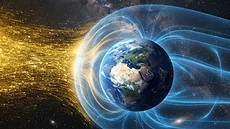
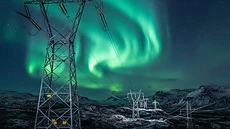
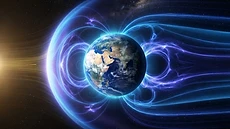
Coronal mass ejections cause different issues entirely. When these clouds of magnetised plasma collide with our planet, they interact with the Earth magnetic field to trigger geomagnetic storms. These storms can induce electrical currents in long-distance power grids and cause significant aurora displays at lower latitudes.
If you want to understand the scale of these events, check our storm leaderboard for historical context.
What You Can Do
Monitoring space weather requires the right tools to distinguish between radiation bursts and incoming plasma clouds. You should regularly consult solar imagery from satellites to observe the development of active regions. If you are planning to witness the northern lights, consider guided aurora tours available in countries like Iceland, Norway, Canada, and Finland for an expert-led experience.
You can also integrate embeddable widgets into your own website or dashboard to keep track of live data feeds. Staying prepared means understanding the Kp index and knowing what different G-scale values mean for local impacts. Knowledge is your best defence when protecting sensitive electronics or planning travel to high-latitude regions.
Key Takeaways
Distinguishing between a flare and a CME is essential for modern space weather literacy. While flares are light-based radiation events, CMEs are physical clouds of plasma that lead to geomagnetic activity. Each presents unique risks to our satellites and terrestrial power grids.
Staying informed about solar cycles and current activity ensures you are never caught off guard by space weather. By using reliable data, you can separate the fear-mongering from the actual science. Continue your learning journey by exploring our glossary for more precise definitions of these solar phenomena.
People Also Ask
Can a solar flare trigger an aurora?+
No, a solar flare itself does not cause an aurora. Auroras are triggered by coronal mass ejections that arrive at Earth and disrupt our magnetic field. While flares and CMEs often occur together, only the physical plasma from a CME is responsible for geomagnetic storms and the resulting northern lights.
How long does it take for a CME to reach Earth?+
Coronal mass ejections travel much slower than the light from a solar flare. Depending on their velocity, which can range from 400 to 3,000 kilometres per second, a CME typically takes between one and three days to reach Earth after being detected leaving the Sun.
Are solar flares dangerous to humans on the ground?+
No, solar flares do not pose a direct radiation threat to humans on the ground. The Earth atmosphere and magnetic field effectively shield us from this radiation. The primary risk from flares and geomagnetic storms is to satellite hardware, radio communications, and high-voltage power transmission infrastructure.
Continue Reading
Forecast These Questions
View all →Express your probability on these active forecast questions.