Understanding the Dst Index and Geomagnetic Storm Intensity
The Dst index serves as a primary metric for gauging the strength of geomagnetic storms. Learn how this vital measurement helps scientists track solar activity and its impact on Earth.
The Role of the Dst Index in Monitoring Geomagnetic Activity
The Dst index, short for Disturbance storm time, acts as a primary barometer for the magnetic health of our planet. It provides a numerical value that represents the intensity of geomagnetic storms, capturing the global response of Earth's magnetic field to solar wind conditions.
Live Space Weather Dashboard
Powered by Flarient — embed this on your site →
While many people are familiar with the Kp index as a general indicator of auroral activity, the Dst index offers a more granular perspective on storm strength. It is measured in nanoteslas (nT) and focuses on the equator, where the impact of solar events often manifests most clearly.
The Science Behind It
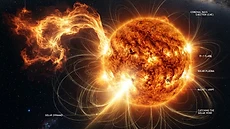
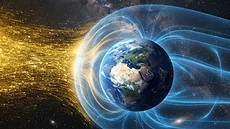
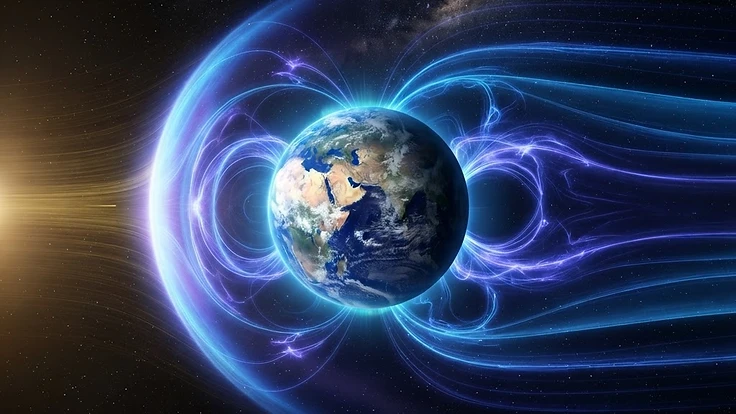
Geomagnetic storms occur when solar wind interacts with the magnetosphere. When a coronal mass ejection reaches Earth, it creates a ring current around our planet that alters the local magnetic field.
The Dst index tracks this variation by measuring the magnetic field strength from ground stations near the equator. A negative Dst value signifies that the magnetic field has been pushed or disturbed by external solar forces.
Values dropping below -100 nT indicate a significant geomagnetic storm, comparable to a G3 level disturbance on the standard scale. Extreme events can push these values toward -250 nT or lower, which is indicative of a massive G4 or even G5 solar storm.
Real-World Implications
Space weather reaches far beyond the auroral oval. Strong geomagnetic storms can induce electrical currents in long-distance power grids, potentially causing equipment damage or supply instability.
Satellite operators must also monitor these trends closely. As outlined in our guide on monitoring solar storms to protect satellite infrastructure, high-energy particles can cause drag on satellites in low Earth orbit.
Communication systems, including high-frequency radio and GPS, often suffer degradation during these periods. Understanding the magnitude of a storm allows engineers to take preventative measures to safeguard essential infrastructure.
What You Can Do
Staying informed about space weather does not require a degree in astrophysics. You can use the [local aurora forecast](/#local) to determine if your region is positioned for a light show when geomagnetic activity rises.
If you are planning to witness the northern lights, you might consider booking guided aurora tours in destinations such as Iceland, Norway, Canada, or Alaska to maximise your chances of a successful sighting. Accessing historical data via the archive also provides context on how frequent these intense storms have been in recent solar cycles.
Key Takeaways
The Dst index is an essential tool for quantifying the impact of solar activity on our magnetic environment. By monitoring these nanotesla drops, scientists and operators can better predict disruptions to power and communication systems.
Whether you are an enthusiast tracking the strongest storms on record or an engineer managing orbital assets, this metric is a cornerstone of space situational awareness. Keep an eye on evolving conditions to better understand the sun's influence on our planet.
People Also Ask
How does the Dst index differ from the Kp index?+
The Kp index is a global proxy for auroral activity based on mid-latitude magnetic fluctuations, ranging from 0 to 9. In contrast, the Dst index specifically measures the magnetic field intensity at the equator, offering a more precise, quantitative value in nanoteslas for overall geomagnetic storm strength.
What is considered a severe Dst value?+
A Dst value reaching -100 nT is typically categorized as an intense geomagnetic storm. Values dropping to -250 nT or lower signify major to extreme events, which are capable of causing widespread technological disruptions to power grids and satellite operations across the globe.
How do solar flares affect Dst readings?+
While solar flares involve bursts of electromagnetic radiation, they do not directly alter the Dst index. The Dst index is primarily influenced by coronal mass ejections that carry plasma and magnetic fields, which physically interact with Earth's magnetosphere to create a ring current.
Continue Reading
Forecast These Questions
View all →Express your probability on these active forecast questions.