Monitoring Solar Activity Through Real-Time Tracking Apps
Tracking solar flares and geomagnetic storms is essential for enthusiasts and professionals alike. Discover the best tools to stay informed about space weather in real time.
Tracking Solar Activity Through Real-Time Data
Space weather influences our lives far more than most people realise. From the satellites orbiting our planet to the power grids that light our homes, solar activity dictates the stability of modern infrastructure. Tracking solar flares provides a window into this invisible dance between the Sun and Earth.
Live Solar Flare Monitor
Powered by Flarient — embed this on your site →
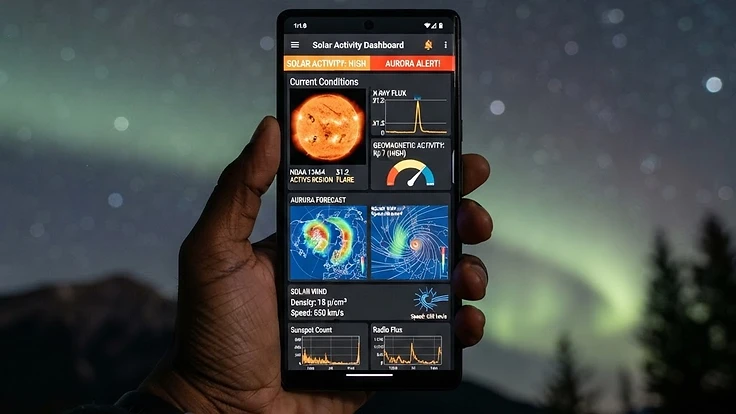
Understanding these events requires reliable data sources. Many enthusiasts use mobile applications and online platforms to monitor the Kp index and detect the onset of solar storms. These tools transform complex telemetry into actionable insights, helping you predict when an aurora might appear or when communications could be disrupted.
The Science Behind It
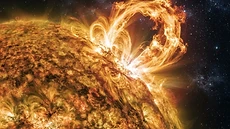
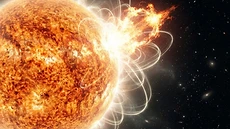
Solar flares are intense bursts of radiation that originate from the release of magnetic energy associated with sunspots. These events are categorised by their intensity using the A, B, C, M, and X classification system. An X-class flare is ten times more powerful than an M-class flare, marking a significant energetic release from the solar surface.
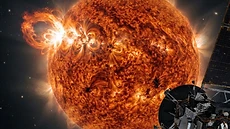
When these flares accompany a Coronal Mass Ejection, or CME, they send a cloud of charged particles hurtling through space. While light reaches Earth in just over eight minutes, these particles travel much slower, often taking between one and three days to arrive. You can explore solar imagery from satellites like the SDO to see the Sun's dynamic surface in detail.
Real-World Implications
Geomagnetic storms occur when the solar wind interacts with the Earth's magnetosphere. The strength of these events is measured in nT, with more negative values indicating a more intense geomagnetic disturbance. You can view the storm leaderboard to see how past events compare to historic benchmarks like the 1859 Carrington Event.
This phenomenon impacts high-frequency radio communications and global navigation satellite systems. Because the ISS orbits within the thermosphere, intense solar activity can increase atmospheric drag on the station.
You can learn more about how such events affect our orbital environment by visiting our blog.
What You Can Do
To stay prepared, start by using apps that provide alerts for significant solar activity. Flarient offers a live dashboard that aggregates data from sources like the NOAA SWPC, allowing you to track activity without needing a degree in astrophysics.
If you want to stay ahead of the weather, you can monitor the local aurora forecast to see if conditions in your area are favourable.
For those who enjoy chasing the lights, booking guided aurora tours in destinations like Iceland, Norway, Canada, or Alaska offers the best chance of witnessing the spectacle. You can also make your own setup more interactive by using our embeddable widgets on your personal blog or website.
These tools keep your audience informed about real-time changes in the space environment.
Key Takeaways
Monitoring space weather is a practical way to engage with the natural processes of our solar system. By understanding the basics of solar flare classes and the G-scale, you move from casual observer to informed participant. While solar activity is often unpredictable, modern technology makes it easier than ever to monitor the risks and beauty of our star.
Check back on our archive to review how previous solar cycles have progressed since the start of Solar Cycle 25 in December 2019. Staying informed ensures you are never caught off guard by the magnetic temperament of the Sun. Keep an eye on the latest data and appreciate the silent, immense forces shaping our celestial neighbourhood.
People Also Ask
How often do solar flares occur?+
Solar flare frequency changes throughout the approximately 11-year solar cycle. During solar maximum, multiple flares can occur every day, while periods of solar minimum see significantly fewer events. Monitoring tools help track these fluctuations in real time as the Sun moves toward its next peak.
Can solar flares cause global blackouts?+
Extreme solar flares can induce currents in long-distance power lines, potentially causing damage to transformers and leading to regional grid instability. While total global blackouts are rare, infrastructure operators use space weather data to proactively manage grid loads and protect critical electrical assets.
Are solar flares dangerous to humans on Earth?+
No, the Earth's atmosphere and magnetic field act as a shield, absorbing the harmful radiation from solar flares. Humans on the ground remain protected, though astronauts in space and sensitive electronics on satellites can face risks during particularly intense solar events.
Continue Reading
Forecast These Questions
View all →Express your probability on these active forecast questions.