Predicting HF Radio Propagation Conditions
Understanding how solar activity affects HF radio propagation is vital for global communication. Learn the science behind signal variations and how to monitor solar weather for optimal performance.
Predicting HF Radio Propagation Conditions
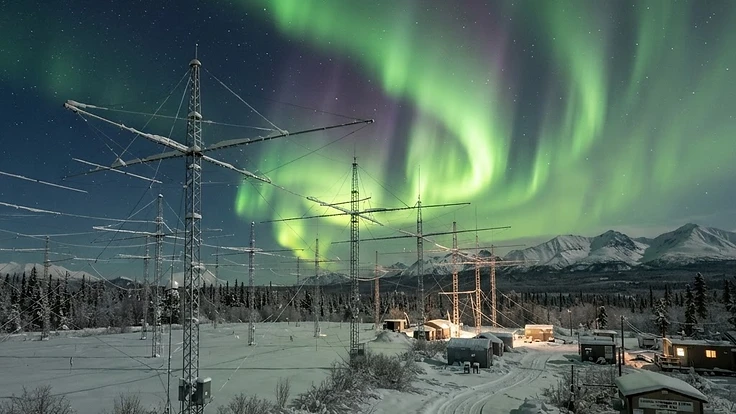
High frequency radio communication relies on the ionosphere, a layer of particles in the upper atmosphere that reflects radio waves back to Earth. Predicting how these signals travel requires a grasp of solar behaviour, as the sun dictates the density and height of the ionospheric layers. When solar activity shifts, radio operators must adjust their frequencies to ensure messages arrive at their destination.
HF Radio Conditions
Powered by Flarient — embed this on your site →
Fluctuations in the ionosphere can create unexpected dead zones or sudden long distance skip opportunities. Mastery of these patterns separates casual operators from professionals. By monitoring solar output and atmospheric indices, you can forecast propagation success with remarkable accuracy.
The Science Behind It
The ionosphere exists because extreme ultraviolet radiation from the sun strips electrons from gas atoms. This process creates ionized layers that act as mirrors for radio signals. During the night, these layers consolidate, which often leads to better long distance propagation for lower frequencies.
Solar activity follows a cycle of roughly 11 years, during which sunspot counts rise and fall. High sunspot activity increases the ionization density, allowing higher frequencies to reflect effectively. You can learn more about how the solar cycle dictates global ham radio propagation by reading our dedicated guide.
When a solar flare erupts, it releases a burst of radiation that reaches Earth at the speed of light. This sudden energy surge increases absorption in the lower ionosphere, causing solar flares and the sudden disruption of HF radio communications. The Earth also responds to solar wind, which can trigger a geomagnetic storm that shifts the entire magnetic environment.
Real-World Implications
Radio propagation changes are not merely academic concerns for enthusiasts. Aviation, maritime navigation, and military defence systems depend on reliable HF channels for long range communication. A sudden drop in signal quality can isolate remote operations during critical windows.
Extreme solar events can lead to blackouts that last for hours or even days. Professionals use the G-scale to categorise these storms, ranging from minor disruptions to grid threatening events. Tracking these variations helps operators plan for the worst while maintaining operational readiness.
Even in stable conditions, the daily change in signal behaviour is significant. The transition from day to night alters the refractive index of the atmosphere. Operators who ignore these rhythms often struggle to find clear channels for their transmissions.
What You Can Do
Preparation starts with keeping a close eye on live solar data. You should familiarise yourself with the glossary of terms to better interpret reports from organisations like the NOAA SWPC.
Utilising reliable forecasting tools removes the guesswork from scheduling your sessions.
If you maintain a website for your radio club or group, you can embed on your site dynamic displays that show current conditions. These tools provide real time updates on signal strength and solar indices. Keeping this information visible ensures that your entire team stays informed about upcoming propagation trends.
For those interested in the broader context of space weather, our blog offers deep dives into related phenomena. You can also monitor our storm leaderboard to see how past disturbances have impacted global networks. Always treat solar monitoring as a fundamental part of your radio equipment setup.
Key Takeaways
HF radio propagation remains a complex dance between the sun and our atmosphere. While solar cycles set the baseline for what is possible, individual flares and geomagnetic shifts dictate the day to day reality of global communication. Mastery of this subject requires consistent monitoring of space weather indices.
Tools and resources are readily available to help you navigate these variables. By understanding the underlying physics and staying proactive with your data gathering, you can ensure your signal remains strong regardless of solar interference. Consistent observation is the only true way to excel in this field.
People Also Ask
Why does HF radio propagation change at night?+
At night, the solar radiation that creates the D and E layers of the ionosphere vanishes. These layers typically absorb radio signals, so their disappearance allows signals to reach the higher, more reflective F-layers. This shift significantly improves the distance that high-frequency radio waves can travel.
What is the role of sunspots in radio communication?+
Sunspots are regions of intense magnetic activity on the sun. Higher sunspot numbers correspond to increased solar flux, which creates a more heavily ionized ionosphere. This increased density allows for the reflection of higher frequency radio waves that would otherwise escape into space during periods of low activity.
How do I know if a solar flare will affect my radio?+
Solar flares emit X-rays that increase ionization in the D-layer of the ionosphere. This causes sudden ionospheric disturbance or radio blackouts on the sunlit side of Earth. You can monitor the GOES X-ray flux to determine if a flare is currently impacting the ionosphere and degrading signal quality.
Continue Reading