Solar Activity and Potential Links to Human Health
Could solar flares influence human health? We examine the scientific relationship between geomagnetic activity and physiological symptoms like headaches.
Solar Activity and Potential Links to Human Health
Solar activity drives a constant stream of energy toward our planet. While modern science confirms the physical impact of these events on satellite communications and power grids, public curiosity often extends to human biology. Many individuals report synchronised headaches or fatigue during periods of high solar activity.
Live Solar Flare Monitor
Powered by Flarient — embed this on your site →
This article explores the scientific reality behind these claims.
The Science Behind It
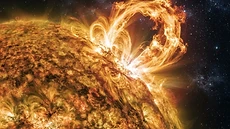
The sun releases energy in cycles of approximately 11 years, with Solar Cycle 25 having commenced in December 2019. When solar flares occur, they emit intense bursts of electromagnetic radiation that travel at the speed of light. These photons reach Earth within eight minutes of their release.
This energy can briefly disrupt the ionosphere, affecting radio waves across the globe.
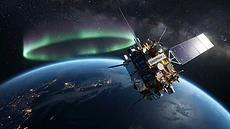
Geomagnetic storms follow this activity when charged particles from solar wind or coronal mass ejections strike the magnetosphere. The intensity of these storms is measured by the Kp index, which ranges from 0 to 9. A stronger storm can induce currents in the magnetosphere, altering the local magnetic environment.
Scientists use the Dst index to quantify this geomagnetic disturbance in nanoteslas.
Research into bioelectromagnetism remains a complex field. While some studies suggest that rapid changes in magnetic fields might influence human neural pathways, the evidence remains largely inconclusive. Unlike the clear link between solar activity and ionospheric disturbances, the biological response to magnetic fluctuations is not currently verified by major space agencies like NASA.
Real-World Implications
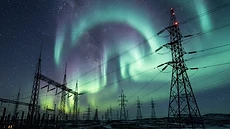
Infrastructure is undeniably sensitive to solar weather. A severe geomagnetic storm can induce electrical currents in long-distance pipelines and power transmission networks. These phenomena are well documented and monitored by global space weather centres.
The most extreme storms, such as the historic Carrington Event of 1859, show us the potential scale of these risks.
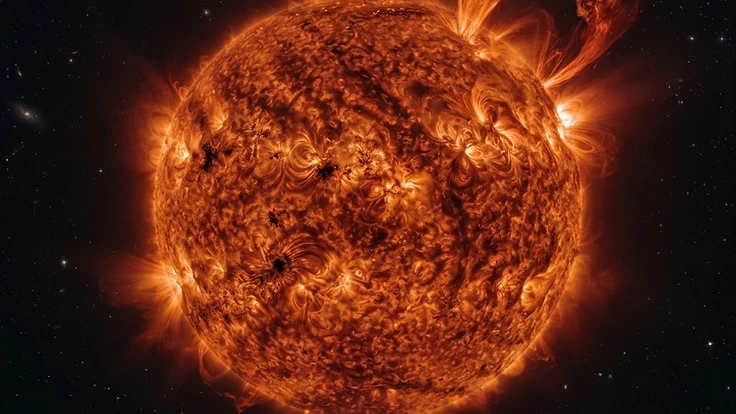
Technology users frequently feel the effects through satellite navigation errors or high frequency radio blackouts. When you view solar imagery from space observatories, the dynamic nature of our star becomes clear. These visual records help us better understand the timing of solar events.
They are vital for protecting the delicate electronic hardware operating at the altitude of the International Space Station.
What You Can Do
Preparedness begins with awareness. If you are sensitive to changes in your environment, tracking solar activity can provide peace of mind. Flarient offers a live dashboard that displays real-time data on flare intensity and geomagnetic conditions.
By monitoring these embeddable widgets, you can stay informed without constant manual checking.
For those interested in atmospheric phenomena, understanding when the aurora is likely to appear adds a fascinating layer to your night sky observations. If you want to experience these displays firsthand, guided aurora tours in countries like Iceland, Norway, Canada, Sweden, and Finland offer expert insight into the dance of the northern lights.
Keeping a log of your physical symptoms alongside space weather patterns may also help you identify personal trends.
Data from our archive can assist in cross-referencing your experiences with historical solar cycles.
Key Takeaways
Solar flares are powerful cosmic events that undoubtedly shape our technological environment. While anecdotal reports of headaches during geomagnetic storms are common, they currently lack the scientific backing required for a definitive causal link. The influence of the sun remains a subject of ongoing study.
Understanding the mechanics of space weather, from flares to solar activity cycles, empowers us to better manage our modern world. Whether you are observing the skies or managing infrastructure, knowledge is your best defence. Stay informed by following reliable space weather reporting and keeping curious about the complex interactions between our planet and the sun.
People Also Ask
Does a solar flare affect the human brain?+
There is no scientific consensus that solar flares affect the human brain. While human cells respond to electromagnetic fields, the levels produced by solar activity are significantly lower than those found in standard medical imaging or everyday electrical appliances, making a direct causal link unlikely.
What is the Kp index?+
The Kp index is a global geomagnetic activity index that measures disturbances in Earth's magnetic field on a scale from 0 to 9. It helps scientists communicate the intensity of geomagnetic storms, which can impact power grids, satellite operations, and the visibility of the aurora borealis.
Can solar flares cause power outages?+
Yes, extreme solar flares accompanied by coronal mass ejections can induce large currents in electrical grids. This may lead to transformer failures and widespread power outages, particularly if the solar activity is intense enough to trigger a G4 or G5 level geomagnetic storm.
Continue Reading
Forecast These Questions
View all →Express your probability on these active forecast questions.