Solar Flares and the Reliability of GPS Navigation
Solar activity can disrupt satellite signals, impacting GPS accuracy worldwide. Learn how geomagnetic storms interfere with navigation and what you can do to stay informed.
Solar Flares and the Reliability of GPS Navigation
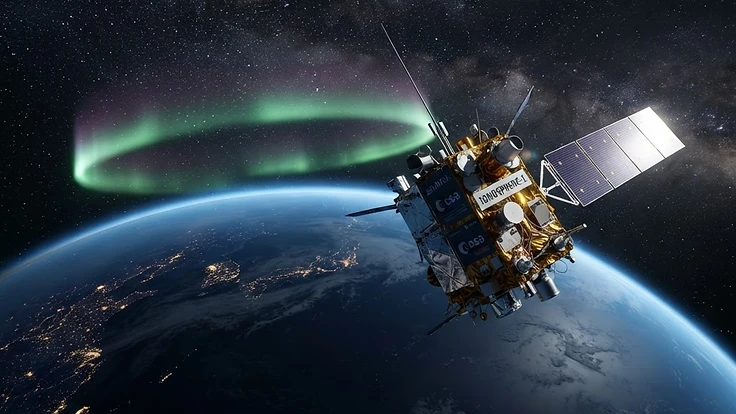
Modern life relies heavily on Global Positioning System technology, which quietly powers everything from turn by turn driving directions to precision agriculture and financial transactions. Most people assume these signals are constant, yet the space environment between satellites and the Earth surface is far from static. When the Sun releases intense bursts of radiation known as solar flares, the resulting changes in the upper atmosphere can create errors in the timing and positioning data transmitted to our devices.
Live Solar Flare Monitor
Powered by Flarient — embed this on your site →
The Science Behind It
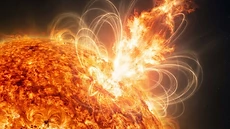
Solar flares are powerful eruptions of electromagnetic radiation that originate from active regions on the Sun. When these flares are accompanied by coronal mass ejections, they send clouds of charged particles racing through space at speeds reaching up to 3,000 kilometres per second. When this solar wind impacts Earth, it interacts with our protective magnetic field, causing geomagnetic storms that are measured on a G-scale ranging from G1 to G5.
These storms dump massive amounts of energy into the ionosphere, an atmospheric layer filled with charged particles. As the density of the ionosphere fluctuates, it forces GPS satellite signals to slow down or deviate from their expected path. Because GPS receivers calculate location by measuring the time it takes for a signal to travel from a satellite, any delay caused by the ionosphere translates directly into a measurement error for the end user.
Real-World Implications
For the average consumer, this might appear as a momentary shift of a few metres in a mapping app, often going unnoticed. However, in industries requiring centimetre level precision, such as aviation, maritime navigation, or autonomous vehicle testing, these atmospheric delays can be significant. Stronger geomagnetic storms can lead to a complete loss of lock, where a receiver loses its connection to satellites entirely.
This phenomenon is particularly disruptive during the peak years of the solar cycle, which lasts approximately 11 years. As we move deeper into Solar Cycle 25, which began in late 2019, the frequency of such events is expected to rise.
Infrastructure that relies on high precision timing, such as power grids and high frequency trading platforms, must account for these space weather events to maintain system integrity.
What You Can Do
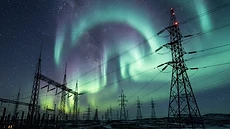
Staying prepared involves monitoring space weather conditions through reliable data sources. If you are planning a trip to catch the aurora borealis in places like Iceland, Norway, or Alaska, consider booking guided aurora tours to gain expert insight into how solar conditions might affect your journey and visibility.
You can easily track the current geomagnetic storm status by using tools like Flarient, which provides live updates on solar activity levels.
For those managing technical projects or interested in amateur radio, you can use embeddable widgets on your own website to show real-time solar data to your audience. These tools translate complex scientific indices into actionable information. Keeping an eye on the strongest storms on record also helps provide context on how extreme solar weather has impacted technology in the past.
Key Takeaways
Solar flares represent a constant variable in our high tech world, acting as a reminder that Earth is fundamentally linked to the Sun. While we have built robust systems to mitigate the impact of ionospheric disturbances, GPS accuracy remains susceptible to the shifting nature of space weather. Understanding these risks allows professionals and enthusiasts alike to better plan for periods of heightened activity.
By leveraging tools that provide real-time tracking, we can better navigate the challenges posed by our host star. As we continue to expand our technological footprint, the ability to interpret these cosmic signals will become increasingly essential. Technology is resilient, but it is not immune to the fundamental physics of the solar system.
People Also Ask
Can a solar flare shut down the internet?+
While solar flares can disrupt high-frequency radio and satellite communications, they generally do not shut down the physical internet infrastructure. Extreme geomagnetic storms have the potential to damage long-haul submarine cables and power grid transformers, which could cause widespread regional outages and connectivity issues during severe events.
How often do solar flares disrupt GPS?+
GPS disruption varies based on the solar cycle. During solar maximum, minor disruptions occur frequently, while major events capable of causing significant signal loss are less common. Most everyday GPS use remains reliable, but high-precision systems often experience intermittent degradation during active solar periods.
What is the difference between a solar flare and a CME?+
A solar flare is an intense burst of electromagnetic radiation, while a coronal mass ejection (CME) is a massive cloud of solar plasma and magnetic field lines. Flares travel at the speed of light, arriving in minutes, whereas CMEs take one to three days to reach Earth.
Continue Reading
Forecast These Questions
View all →Express your probability on these active forecast questions.