The Reality of Asteroid Risks to Earth
Asteroids remain a constant subject of scientific study and public concern. Understanding the genuine risk they pose requires separating space science from science fiction.
The Reality of Asteroid Risks to Earth
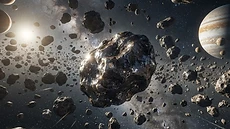
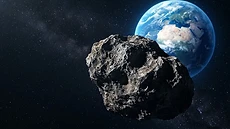
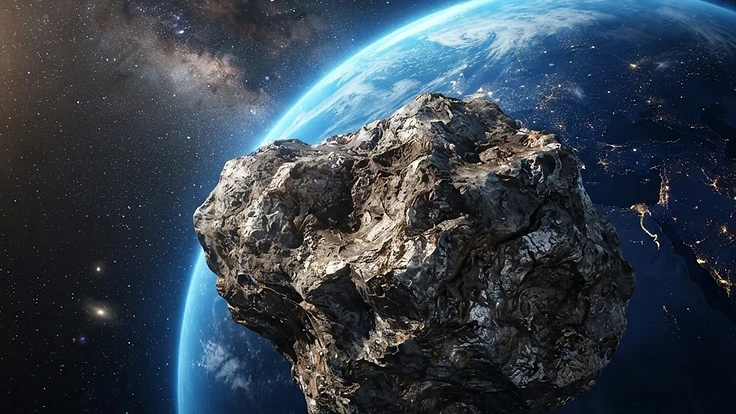
Asteroids are remnants of the early solar system, drifting through the vacuum of space as rocky, metallic survivors of planetary formation. While the vast majority of these objects reside harmlessly in the main belt between Mars and Jupiter, a subset known as a near-Earth asteroid crosses paths with our orbital neighbourhood. Because these objects periodically pass close to our planet, their movement is a primary focus of modern planetary defence programmes.
Near-Earth Asteroid Watch
Powered by Flarient — embed this on your site →
The Science Behind It
Most asteroids orbit the sun in stable, predictable paths defined by gravity. When gravitational nudges from larger planets like Jupiter shift these orbits, an object may transition into a path that intersects with Earth. The velocity of these objects is significant, often measured in kilometres per second, meaning even small impacts carry immense kinetic energy.
Astronomers track these paths by observing reflected light and using radar to determine precise trajectories. The size of an object is the primary indicator of the damage it could inflict. Small meteors burn up harmlessly in the atmosphere, while Earth Has Been Struck By Asteroids Throughout History in ways that demonstrate the scale of potential consequences.
The infamous Chicxulub object, estimated at 10 kilometres in width, fundamentally altered the biological history of the planet when it struck 66 million years ago.
You can find more historical context on such events in our archive.
Real-World Implications
Unlike solar weather, which can disrupt power grids and radio communications through geomagnetic storm activity, asteroid impacts are rare, low-frequency events. The danger is not a daily concern for modern infrastructure but rather a long-term challenge for planetary safety. Global monitoring networks operate constantly to identify any object that might pose a credible threat in the coming decades or centuries.
These systems allow for early detection, which is the most critical component of risk mitigation. If a hazard were identified far enough in advance, space agencies possess the theoretical capability to deflect an object through kinetic impact or gravitational tractors. This proactive approach separates modern science from the uncertainty that historical societies faced.
It is a testament to current observation technology that we now catalogue thousands of objects that were previously invisible to our ancestors.
What You Can Do
Public interest in space safety remains high, and many people seek ways to follow the data for themselves. You can monitor the latest space weather and tracking data by using Flarient's live dashboard, which helps you stay informed about celestial conditions. If you want to integrate this information into your own website or project, our embeddable widgets provide a professional way to display real-time data.
Staying informed is the best antidote to unnecessary anxiety regarding space threats. By using resources found in our glossary, you can better understand the terminology used by scientists to describe orbital paths and potential risks. These tools ensure you are looking at verified data rather than speculation.
Key Takeaways
Asteroids represent a fundamental aspect of our solar system, not an imminent threat to daily life. While the impact of large objects has shaped Earth in the past, current international tracking efforts ensure that we are no longer oblivious to the skies above. By maintaining a clear understanding of the science, we can appreciate the majesty of space while acknowledging the practical importance of monitoring our cosmic environment.
Scientific observation is a continuous process that matures with better technology and international cooperation. Our modern ability to predict and potentially influence these events signifies a shift in how humanity engages with the hazards of the cosmos. Space remains a dynamic, active environment, and staying informed is the most effective way to engage with the reality of our place in it.
People Also Ask
How do scientists track near-Earth asteroids?+
Scientists use ground-based telescopes and radar systems to detect reflected sunlight from asteroids. By observing these objects over time, astronomers calculate their orbital paths to predict future positions and potential close approaches to Earth with high precision.
What is the difference between an asteroid and a meteor?+
An asteroid is a large, rocky or metallic object orbiting the sun in space. A meteor is the streak of light produced when a small piece of debris, known as a meteoroid, enters Earth's atmosphere and burns up due to friction.
Can we prevent an asteroid from hitting Earth?+
Yes, current research into planetary defence focuses on techniques like kinetic impactors to nudge an asteroid off its path. If an object is detected years or decades in advance, space agencies have the technical potential to alter its trajectory to avoid a collision.
Continue Reading
Forecast These Questions
View all →Express your probability on these active forecast questions.