The Solar Cycle and Its Influence on Our Planet
Solar activity ebbs and flows in an eleven-year rhythm known as the solar cycle. Understanding this cycle is vital for protecting our modern technology and predicting space weather events that affect Earth.
The Solar Cycle and Its Influence on Our Planet
The sun is not a static ball of fire. It operates on a rhythmic schedule that dictates the intensity of space weather across our solar system. This oscillation, known as the solar cycle, lasts approximately eleven years from one solar maximum to the next.
During this period, the frequency and strength of solar activity fluctuate significantly. We are currently navigating Solar Cycle 25, which began in December 2019. Observing these patterns helps us anticipate how our star will impact life and technology on Earth.
The Science Behind It
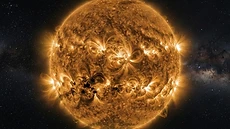
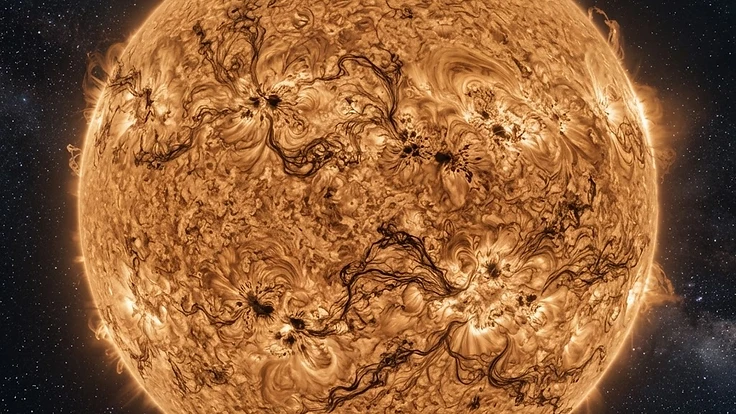
The solar cycle is driven by the internal movement of magnetic fields within the sun. As plasma churns beneath the solar surface, these magnetic fields become twisted and knotted, eventually breaking through the photosphere to create sunspots.
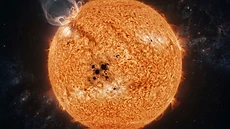
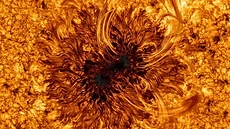
Sunspots appear as dark, cooler patches on the solar surface. They serve as reliable indicators of solar activity, as they are often the launch sites for solar flares and coronal mass ejections. You can view these features in high resolution through dedicated solar imagery.
As the sun approaches its maximum phase, sunspots become more abundant and magnetic activity intensifies. This transition can lead to significant geomagnetic storms, which are measured on a Kp index scale from 0 to 9. Understanding the glossary of these terms is essential for grasping how solar energy travels across the 150 million kilometres of space to reach our atmosphere.
Real-World Implications
When the sun is active, it releases clouds of charged particles that hurtle toward Earth. While our planet's magnetic field protects us from direct radiation, these incoming particles can disrupt satellite electronics and terrestrial power grids. Strong events can even impact high frequency radio communications, a phenomenon often explored in studies on [mastering the science of HF radio propagation]( /blog/mastering-the-science-of-hf-radio-propagation).
Space weather also governs the formation of the aurora. When solar particles strike the upper atmosphere, they create spectacular light displays in the polar regions. Extreme events, similar to the Carrington Event of 1859, serve as a historical reminder of how vulnerable our interconnected power and communication infrastructure truly is to space weather.
What You Can Do
Staying informed is the best defence against the unpredictability of space weather. Tools that track real-time solar data allow you to monitor geomagnetic conditions before they impact your local area. Whether you are interested in sky watching or infrastructure safety, you can use embeddable widgets to bring live space weather data directly to your own digital platforms.
If you hope to witness the northern lights, timing is everything. Those planning guided aurora tours in destinations like Iceland, Norway, Canada, or Alaska often look for periods of heightened solar activity to increase their chances of success.
Checking your local aurora forecast allows you to plan your observations when conditions are most favourable.
Key Takeaways
The eleven-year solar cycle serves as the heartbeat of our solar system. While it is a natural process, the resulting space weather necessitates vigilance in how we manage and protect our technological assets. By understanding the science of the sun, we gain a deeper appreciation for the delicate balance between our planet and the star that sustains it.
Whether through tracking historical archive data or watching the latest solar trends, knowledge remains our greatest tool. Keeping a pulse on solar activity helps us prepare for the challenges of living in an increasingly space-dependent world.
For observers
If the article makes you want to observe or image sunspots and other solar surface features, one compact option for readers interested in solar imaging is a portable astrophotography rig. Explore an observation setup
Ad · Affiliate link. Flarient may earn a commission if you purchase through this link, at no additional cost to you.
People Also Ask
Does the solar cycle affect Earth's climate?+
While the solar cycle causes fluctuations in solar radiation, these changes are minor compared to other factors driving Earth's climate. The variation in solar output across an eleven-year cycle is less than 0.1 percent, which is insufficient to trigger significant long-term shifts in global average temperatures.
What happens during a solar maximum?+
During a solar maximum, the sun reaches the peak of its eleven-year cycle. This period is characterised by an increased number of sunspots, more frequent solar flares, and a higher likelihood of coronal mass ejections, which can cause intense geomagnetic storms and vivid aurora displays on Earth.
How do scientists predict the solar cycle?+
Scientists predict the intensity of future solar cycles by analysing magnetic field models and historical sunspot records. By observing the patterns of the sun's magnetic polarity and the speed at which new cycles emerge, researchers estimate the peak level of activity expected during the cycle's maximum.
Continue Reading
Forecast These Questions
View all →Express your probability on these active forecast questions.