Understanding the Mechanics of Coronal Mass Ejections
A coronal mass ejection is a massive burst of solar wind and magnetic fields rising above the solar corona. Learn how these solar events interact with Earth and impact our modern technology.
Coronal Mass Ejections Define Solar Weather
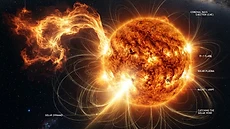
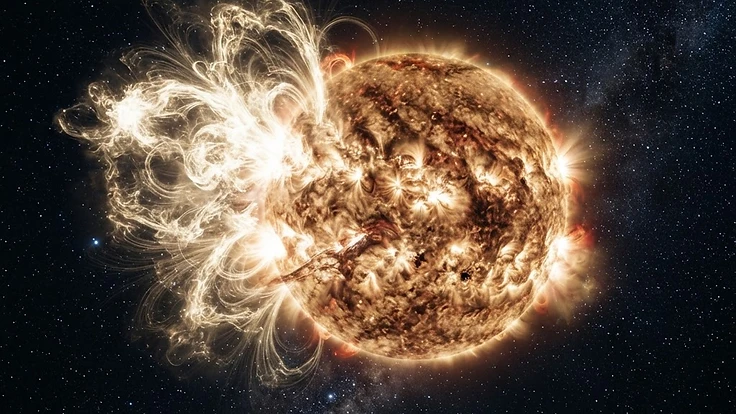
A coronal mass ejection is a vast cloud of solar plasma and embedded magnetic fields released into interplanetary space. These events represent some of the most powerful explosions in our solar system, often occurring during periods of high solar activity.
Live Space Weather Dashboard
Powered by Flarient — embed this on your site →
While we frequently associate the sun with steady light, it is a dynamic and volatile engine. Understanding these ejections is essential for grasping the broader influence of space weather on our planet.
The Science Behind It
The sun functions through a complex interplay of magnetic fields and superheated plasma. When these magnetic field lines become twisted and stressed, they can snap and reconnect, releasing stored energy with sudden intensity.
This release, known as a magnetic reconnection, acts like a slingshot. It hurls billions of tonnes of solar material away from the solar surface at speeds reaching up to 3,000 kilometres per second.
These clouds travel much faster than the typical solar wind, which usually moves at 400 to 700 kilometres per second. If the ejection is directed toward Earth, the arrival of this plasma can trigger a geomagnetic storm.
Scientists use advanced tools like solar imagery to track these eruptions as they leave the corona. By monitoring these glossary terms, researchers can model the path and speed of the incoming material.
Real-World Implications
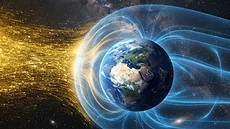
When a coronal mass ejection reaches Earth, it interacts with our planet's magnetosphere. This interaction can cause significant fluctuations in the magnetic field, often measured on the G-scale.
During strong events, these disturbances induce electrical currents in long-distance power lines. This can stress electrical grids and lead to operational challenges for satellite operators and navigation systems.
For those interested in solar flares and their impact on Earth, the consequences extend beyond mere grid instability. Our reliance on high-frequency radio communication makes us vulnerable to the ionospheric changes caused by these solar arrivals.
High-altitude aircraft and spacecraft, such as the ISS orbiting at 408 kilometres, may also require adjustments during intense events. Protective protocols are essential for maintaining safety in an increasingly connected technological environment.
What You Can Do
Preparation begins with awareness, as space weather is now a standard factor in modern planning. If you enjoy chasing the aurora, you can join guided aurora tours in locations like Iceland, Norway, Canada, and Alaska to experience the lights safely.
Keeping track of current conditions helps you anticipate potential sky phenomena or communication interference. You can consult the local aurora forecast to see if you are in the path of potential auroral displays.
If you manage a website, consider using embeddable widgets to provide live space weather updates to your visitors. Monitoring these trends helps turn complex scientific data into actionable information for your community.
Key Takeaways
Coronal mass ejections are a fundamental part of the solar cycle, which repeats roughly every 11 years. As we move further into Solar Cycle 25, which began in December 2019, these events will continue to be a regular occurrence.
While they can pose challenges to technology, they also drive the beautiful displays of the aurora. By monitoring solar activity, we bridge the gap between abstract physics and the practical reality of living in a solar-active system.
Staying informed about these phenomena is the best way to thrive in our technologically dependent age. Understanding the sun is no longer just for astronomers, but for anyone travelling through our modern world.
People Also Ask
How long does it take for a CME to reach Earth?+
A coronal mass ejection typically takes between one and three days to reach Earth, depending on its speed. While light travels instantly at 300,000 kilometres per second, the physical plasma cloud moves much slower, generally arriving between 15 and 72 hours after being detected leaving the sun.
What is the difference between a solar flare and a CME?+
A solar flare is a sudden, intense burst of electromagnetic radiation, such as X-rays and ultraviolet light. In contrast, a coronal mass ejection is an actual eruption of billions of tonnes of physical matter, including plasma and magnetic field lines, thrown out into the solar system.
Can CMEs destroy the internet?+
While a minor CME is unlikely to cause lasting damage, an extreme solar storm could potentially disrupt undersea internet cables. These cables have repeaters that are sensitive to electrical surges. A severe event could lead to long-term outages across various regions, though the risk remains low for everyday occurrences.
Continue Reading
Forecast These Questions
View all →Express your probability on these active forecast questions.