
How Satellites Maintain Communication During Geomagnetic Storms
Geomagnetic storms challenge orbital infrastructure, but satellites use robust engineering and real-time monitoring to stay online. Learn how these machines endure solar activity.
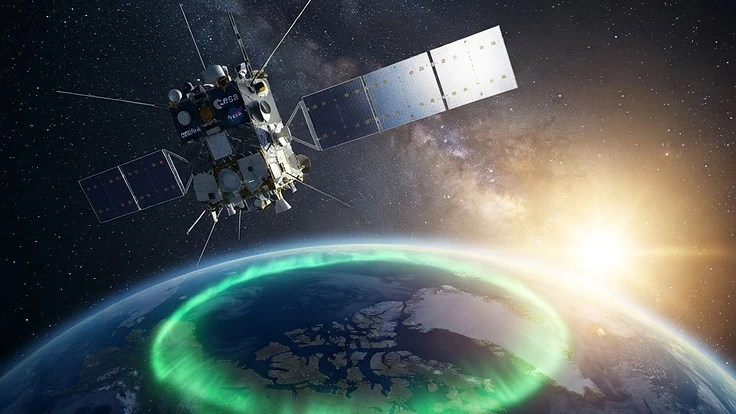
Satellites Maintain Connectivity Despite Geomagnetic Interference
Modern infrastructure relies on a vast network of satellites, from global positioning systems to weather monitoring arrays. When the Sun erupts, this network faces significant environmental pressure. Understanding how these spacecraft survive and function during space weather events is vital for our digital world.
Solar activity is not merely an occasional inconvenience for space operators. It is a fundamental operational factor that engineers must manage. By examining how satellite systems are hardened against the elements, we can appreciate the resilience of the technology orbiting above us.
The Science Behind It
The solar wind flows constantly from the Sun, but coronal mass ejections can amplify this stream into a powerful torrent. When this high-speed plasma collides with the Earth, it creates a geomagnetic storm. You can track the intensity of these disturbances by monitoring the G-scale which classifies events from G1 to G5.
During such storms, the Earth magnetic field undergoes rapid and violent changes. This fluctuation induces electrical currents in conductive materials, including the circuitry and metal chassis of satellites. Such charging effects can cause signal noise, bit flips in computer memory, or even permanent hardware damage.
Engineers design spacecraft to withstand these harsh conditions through rigorous shielding. They also use redundant systems to ensure that if one component fails, another takes its place immediately. For a deeper look at the triggers behind these events, read about understanding the distinction between solar flares and coronal mass ejections.
Real-World Implications
When a major storm strikes, the primary goal for ground control is to maintain communication with the satellite. Operators often shift sensitive systems into a safe mode to prevent catastrophic failure. This can temporarily interrupt services, such as high-precision navigation or satellite-based radio, but it prevents the loss of the asset.
Atmospheric drag also changes during intense solar cycles, as the thermosphere expands and grows denser. This extra friction at lower orbits can slow down satellites, forcing them to burn fuel prematurely to maintain their trajectory. Satellites at higher altitudes remain relatively unaffected, but low-earth orbit craft must constantly manage these orbital adjustments.
Reliable data is the best defence for satellite operators. Observing solar imagery provides the lead time necessary to prepare ground systems for an incoming disturbance. Understanding these risks is as essential as understanding the physics of how the solar cycle dictates radio communication conditions.
What You Can Do
Staying informed about solar activity helps you understand why your GPS signal or satellite internet might occasionally fluctuate. You do not need to be an engineer to keep track of space weather. Using digital tools allows anyone to monitor the same data used by professionals to assess the risks of an approaching geomagnetic storm.
If you live in higher latitudes, you might notice the byproduct of these storms in the form of an aurora. Seeing the lights is a great way to connect with the physics of space. You can even join guided aurora tours in countries like Iceland, Sweden, Canada, and Alaska, which offer expert insight into these natural displays while you track the storm status.
Check the latest conditions on our geomagnetic storm dashboard to see if a storm is currently active. For those managing websites, you can even add embeddable widgets to your own pages to keep your audience updated on the current state of the space environment.
Key Takeaways
Satellites are built to survive the unpredictable nature of our Sun. They use heavy shielding, redundant electronics, and smart operational protocols to maintain their link to Earth. These measures are tested during every solar cycle, and they have proven remarkably successful in keeping our global networks stable.
Space weather remains a dynamic and fascinating field of study. As we continue to launch more satellites into orbit, our ability to predict and react to these solar events will only improve. By staying observant and using the right tools, you can keep up with the changing weather of our solar neighbourhood.
People Also Ask
Can geomagnetic storms cause total satellite failure?+
While rare, extreme geomagnetic storms can cause permanent hardware damage or trigger a total loss of control. Modern satellites are built with radiation hardening and fail-safes to mitigate these risks. Most of the time, storms simply cause signal degradation or require satellites to enter a protective safe mode.
How do satellites protect themselves from solar flares?+
Satellites use physical shielding to block energetic particles and redundant electronic circuits to bypass failed components. During high-risk periods, operators often power down non-essential systems, orient the satellite to minimize exposure, and monitor real-time data from space weather centres to adjust flight paths and telemetry protocols accordingly.
Why does a geomagnetic storm affect satellite orbits?+
Geomagnetic storms heat the Earth's upper atmosphere, causing it to expand. This expansion increases atmospheric density at higher altitudes. Satellites in low-Earth orbit experience increased drag, which slows them down. Without periodic re-boosts, this drag would cause a satellite to lose altitude and eventually re-enter the atmosphere prematurely.
Continue Reading
Forecast These Questions
View all →Express your probability on these active forecast questions.
Related Articles

Satellite Operators Use Advanced Strategies to Mitigate Space Weather Risks
2026-11-10 · 5 min read

Understanding the Mechanics of Sun-Synchronous Orbits
2026-10-16 · 5 min read

Tracking the International Space Station in Real Time
2026-10-02 · 5 min read