Solar Flares and Their Impact on Human Health
Solar flares are powerful bursts of radiation from the sun, but how do they affect people on Earth? Explore the science of space weather and its true risks.

Solar Flares Do Not Pose a Direct Physical Threat to Human Health
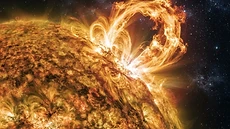
Solar flares are intense bursts of electromagnetic radiation originating from the sun. These events are a natural part of the solar cycle, which lasts approximately 11 years and is currently in the active phase of Solar Cycle 25. While these eruptions release vast amounts of energy, the Earth is shielded by a thick atmosphere and a powerful magnetic field.
Live Solar Flare Monitor
Powered by Flarient — embed this on your site →
These two layers of defence absorb or deflect the harmful particles and radiation, keeping life on the surface safe.
There is a common misconception that solar activity directly harms human biology. Scientific consensus from organisations like NASA confirms that the electromagnetic radiation from flares does not penetrate the atmosphere to reach the ground. Humans remain safely protected from these space weather events throughout their lives.
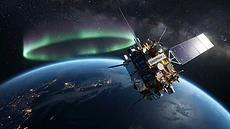
Even as we advance our technological presence in orbit, the primary concern remains with infrastructure rather than biological health.
The Science Behind It
Solar flares are classified by their X-ray intensity, using a scale that ranges from A to X, with each level representing a tenfold increase in power. When a flare is accompanied by a coronal mass ejection, or CME, massive clouds of solar plasma are launched into space at speeds reaching 3,000 kilometres per second. These particles interact with the planetary magnetic field to cause geomagnetic storm activity.
You can explore the glossary to understand these complex terms in more detail.
The solar wind typically travels at speeds between 400 and 700 kilometres per second. When these particles strike the magnetosphere, the energy transfer can cause fluctuations in the ionosphere. This process is documented extensively in Understanding the Mechanics of Coronal Mass Ejections.
While these events are spectacular, they are entirely distinct from the radiation hazards that might affect astronauts living on the International Space Station, which orbits at an altitude of approximately 408 kilometres.
Real-World Implications
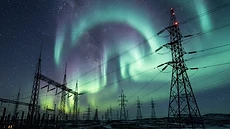
While humans on the ground are safe, our modern society relies heavily on technology that is vulnerable to space weather. Intense geomagnetic storms can interfere with satellite operations, global positioning systems, and power grid stability. You can examine past events to see how historical storms have tested our infrastructure.
Large-scale disturbances can even impact navigation systems for aviation and maritime travel.
High-frequency radio communications often suffer during active solar periods, as explained in Space Weather Disrupts High-Frequency Radio Communications. These disruptions can temporarily hamper long-distance signal transmission. Beyond communications, solar activity is responsible for the beautiful aurora displays seen at high latitudes.
These lights occur when charged particles collide with atmospheric gases, creating a vibrant visual reminder of our connection to the sun.
What You Can Do
Staying informed is the best way to handle solar activity. You can use tools to monitor space weather conditions, which helps in anticipating potential disruptions to your local services. If you enjoy chasing the lights, check for your local aurora forecast to determine the best times for viewing.
For those seeking a deeper experience, guided aurora tours in countries like Iceland, Norway, Canada, Finland, Sweden, and Alaska provide expert insights into the phenomenon.
Technology users might find embeddable widgets useful for keeping track of solar activity on their own websites. Understanding when the sun is particularly active can help you manage your expectations for communications or travel. By leveraging these resources, you remain a proactive participant in the space age.
This level of awareness ensures that space weather remains a source of fascination rather than a surprise.
If reading Kp charts isn't your idea of a holiday, Northern Lights guided tours across Iceland, Canada and Scottish Highlands handle the science so you can simply look up.
Key Takeaways
Solar flares represent the intense, natural power of our sun, yet they do not threaten the biological well-being of humans on Earth. Our atmosphere and magnetic field provide a reliable shield against the radiation released during these events. While technology remains our primary concern, science provides the tools we need to prepare and adapt.
Understanding these cycles allows us to appreciate the dynamic nature of our solar system. By monitoring space weather, we turn potential uncertainty into knowledge. The sun continues its cycle, and we continue to thrive under its light, better equipped than ever to navigate the challenges of our technological age.
People Also Ask
Can solar flares cause headaches or physical pain in humans?+
No. Extensive scientific research shows that solar flares and the associated geomagnetic storms do not have a physiological impact on the human body. The Earth's magnetic field and atmosphere effectively block the radiation, meaning humans do not feel any direct physical effects from solar activity.
How do solar flares affect satellites in orbit?+
Solar flares and CMEs can increase the density of the upper atmosphere, causing extra drag on satellites at low Earth orbit. This orbital decay can shorten a satellite's lifespan. Additionally, high-energy particles can damage sensitive onboard electronics and interfere with critical navigation and communication signals.
Are pilots and flight crews at risk during major solar flares?+
While the risk is extremely low, flight crews at high altitudes and high latitudes may experience a marginal increase in radiation exposure during severe solar proton events. Airlines use specialised monitoring systems to monitor these conditions and adjust flight paths to lower altitudes or latitudes when necessary.
Continue Reading
Forecast These Questions
View all →Express your probability on these active forecast questions.