The Chicxulub Impact and the Dinosaur Extinction
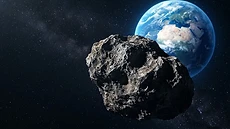
Sixty-six million years ago, a massive asteroid strike permanently altered the trajectory of life on Earth. We explore the physics and environmental consequences of the event that ended the age of the dinosaurs.
The Chicxulub Impact and the Dinosaur Extinction
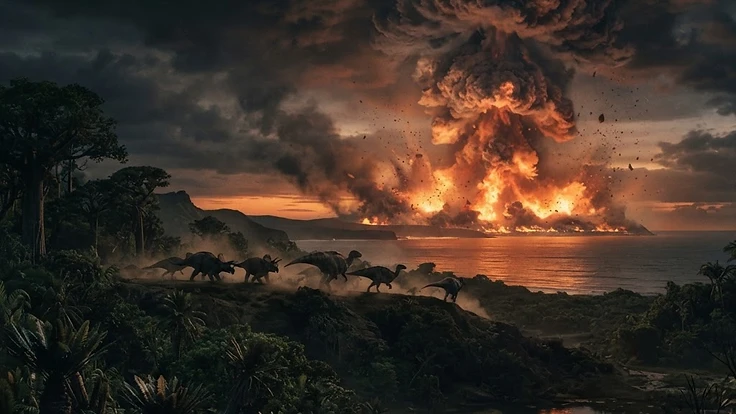
Sixty-six million years ago, a rock approximately 10 kilometres wide struck the Yucatan Peninsula. This event, known as the Chicxulub impact, is widely accepted by the scientific community as the primary driver of the Cretaceous-Paleogene extinction event. It ended the reign of the non-avian dinosaurs and cleared the way for the rise of mammals.
Near-Earth Asteroid Watch
Powered by Flarient — embed this on your site →
Understanding how a single celestial object can reshape an entire planet requires looking at the cascading failures it triggered within the biosphere. This was not a singular moment of destruction, but a rapid sequence of events that pushed global ecosystems beyond their limits.
The Science Behind It
The impact released energy equivalent to billions of Hiroshima-sized atomic bombs. Upon hitting the Earth, the asteroid vaporised upon contact, throwing trillions of tonnes of rock, dust, and sulphur into the upper atmosphere.
This material created a global shroud that blocked sunlight for years. Without the sun to drive photosynthesis, the base of the food chain collapsed almost instantly, starting with marine plankton and land plants.
Following the darkness, the planet experienced extreme temperature swings. The initial impact caused a short term blast of intense heat due to re-entering debris, which triggered global wildfires.
Once the smoke settled into the atmosphere, a period of global cooling set in. This rapid transition from heat to ice proved fatal for large organisms that could not adapt or find sufficient food.
Real-World Implications
Studying this historical extinction event provides critical context for our modern vulnerability to space hazards. While a strike of this magnitude is exceptionally rare, it highlights the importance of planetary defence and monitoring systems such as NASA CNEOS, which catalog every near-Earth asteroid in our cosmic neighbourhood.
Understanding past mass extinctions also helps researchers analyse the resilience of modern biodiversity. By studying the geological record, we can see which biological traits favour survival during periods of rapid environmental stress.
These lessons are not merely academic. They inform our efforts to monitor the skies, ensuring that we are not blindsided by smaller objects that could still cause significant regional damage or disruption to critical satellite infrastructure.
What You Can Do
If you want to stay informed about the potential threats and dynamic conditions in our solar system, start by monitoring current data. Keeping an eye on solar activity is just as important as watching for close approach objects, as both can impact our technological stability.
You can view historical trends and major events in our archive to better understand the frequency of natural hazards. Accessing tools that show real time space weather, including the current Kp index, allows you to observe how active our star is on a daily basis.
Using accessible platforms to track these phenomena builds a better understanding of our place in the solar system. By remaining engaged with current space data, you contribute to a more informed public that values space science and planetary safety.
Key Takeaways
The extinction of the dinosaurs was a multifaceted catastrophe caused by the collision of a massive asteroid with the Earth. This event permanently shifted the biological landscape of our world, allowing the mammalian lineage to flourish.
While the event happened 66 million years ago, the study of such impacts remains essential for modern science. Vigilance through tracking and observation helps us identify and understand potential future risks, ensuring we are not caught unprepared by the dynamics of our cosmic environment.
People Also Ask
How do scientists know an asteroid killed the dinosaurs?+
Evidence includes the discovery of a massive impact crater in the Yucatan Peninsula and a layer of iridium in geological strata globally. Iridium is rare on Earth's surface but common in asteroids, providing a distinct chemical signature that marks the exact time of the extinction event.
Could a similar asteroid strike happen today?+
While Earth is constantly struck by small meteoroids, the probability of a 10-kilometre-wide asteroid striking Earth is extremely low. NASA and international space agencies continuously track near-Earth objects to identify potential threats decades in advance, providing ample time for intervention if an object of concern is detected.
What is the K-Pg extinction event?+
The K-Pg extinction, formerly known as the K-T extinction, is the mass extinction that wiped out about 75 percent of plant and animal species on Earth 66 million years ago. It marked the end of the Cretaceous period and the beginning of the Paleogene, famously ending the age of dinosaurs.
Continue Reading
Forecast These Questions
View all →Express your probability on these active forecast questions.
Will a near-Earth object pass within 1 Lunar Distance this quarter?
35%
Community
Will a newly discovered asteroid larger than 10m pass within 5 LD this month?
5%
Community
Will a near-Earth object pass within 1 Lunar Distance this quarter?
35%
Community
Will a near-Earth object pass within 5 Lunar Distances this month?
5%
Community