The Formal Process of Naming Asteroids
Discover how the International Astronomical Union standardises the naming of asteroids, transforming mere numbers into permanent celestial markers.

The Formal Process of Naming Asteroids
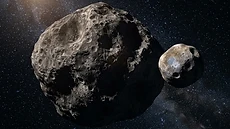
When astronomers discover a new object in the night sky, it does not immediately receive a poetic or mythological name. The process of naming a minor planet is a rigorous, multi-stage journey that reflects the global effort required to track a near-Earth asteroid or a distant rock in the main belt.
Near-Earth Asteroid Watch
Powered by Flarient — embed this on your site →
It begins with a temporary designation based on the date of discovery. This system ensures that every object in our solar neighbourhood is logged precisely, providing scientists a consistent method to communicate before a permanent name is ever proposed or accepted.
The Science Behind It
Discovery typically happens through automated surveys that scan the sky for moving objects. Once a new body is confirmed by multiple observatories, the Minor Planet Center assigns a provisional designation, such as 2024 AB1, which encodes the year and the half-month of detection.
After an orbit is determined with enough precision to ensure the object will not be lost, it receives a permanent number. This number is essentially a sequential list of objects with well-defined orbital paths. You can learn more about how we monitor these paths in our deep dive on Earth's orbital neighbourhood: analysing potential asteroid threats.
Only after the object is numbered can the discoverer propose a name. This proposal must follow strict guidelines set by the International Astronomical Union, which prevents offensive or purely commercial monikers from entering the official register. Names must be fifteen characters or fewer and generally avoid the names of politicians or military figures until long after their deaths.
Real-World Implications
Naming these bodies serves more than just an archival purpose. It provides a common language for planetary defence experts, researchers, and public enthusiasts to discuss specific risks or scientific opportunities.
Clear nomenclature ensures that data sets remain clean as we monitor the sky. If we did not standardise this, confusion would inevitably arise during observations of a potential near-Earth asteroid or a hazardous body approaching our planet.
This level of organisation allows the global scientific community to maintain an accurate archive of every object that has crossed our path. When we talk about historic impacts or close approaches, we rely on these permanent labels to maintain continuity in our observations.
What You Can Do
Staying informed about the space environment is easier when you have the right data at your fingertips. Understanding the classification of celestial objects helps you appreciate the work behind large-scale tracking efforts.
If you want to keep an eye on the latest findings or see what objects are currently of interest to astronomers, you can explore our curated resources. We provide tools to help you visualise these movements, which is a great way to deepen your understanding of our solar system's mechanics.
For those who want to integrate this data into their own projects, we offer embeddable widgets that bring live space tracking to your own website. Using these tools allows you to share accurate, real-time information about the objects surrounding our planet with your own audience.
Key Takeaways
Naming an asteroid is a deliberate act of scientific documentation rather than a casual exercise in branding. It reflects our commitment to understanding the debris left over from the formation of the solar system and managing the risks posed by those objects.
By following these formalised naming conventions, the global community maintains order in an otherwise chaotic, vast expanse. It ensures that every rock, from the smallest fragment to a massive [NEO](/ #asteroids), remains accounted for in our collective record of the cosmos.
From data to sky
If learning how asteroids are discovered and numbered makes you want to try finding or imaging minor planets yourself, one accessible route is a compact, portable capture setup suited to field observing. Explore a compact capture setup.
Ad · Affiliate link. Flarient may earn a commission if you purchase through this link, at no additional cost to you.
Continue Reading
Forecast These Questions
View all →Express your probability on these active forecast questions.
Will a near-Earth object pass within 1 Lunar Distance this quarter?
35%
Community
Will a near-Earth object pass within 1 Lunar Distance this quarter?
35%
Community
Will a newly discovered asteroid larger than 10m pass within 5 LD this month?
35%
Community
Will a near-Earth object pass within 5 Lunar Distances this month?
45%
Community