The Lifecycle of Stars: From Nebulae to Stellar Remnants
Stars are not static lights in the sky but dynamic entities that evolve over millions of years. Discover how they are born, how they sustain life, and how they eventually fade into the cosmos.
Stars Evolve Through Massive Cosmic Cycles
Stars define the structure of the universe, acting as the primary engines of nucleosynthesis and light. Their lives span millions to billions of years, following a predictable path dictated by mass and gravity.
Understanding this lifecycle allows us to interpret the past and future of our own Sun. Every star you see in the night sky is at a specific stage of this long, transformative journey.
The Science Behind It
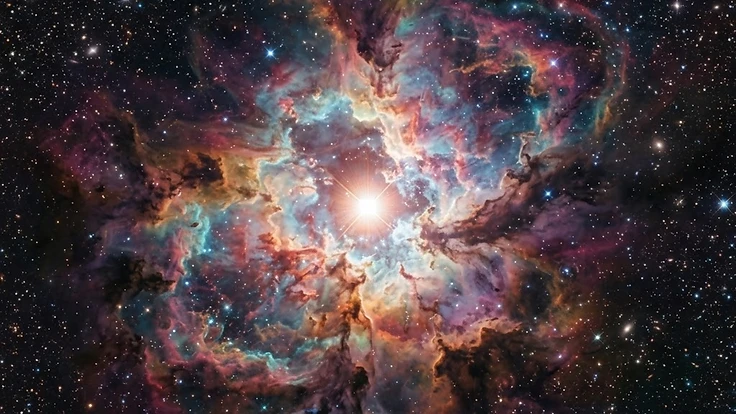
Stellar life begins within cold, dense clouds of gas and dust called nebulae. Gravity draws this material together until the core temperature becomes high enough to trigger nuclear fusion.
Once fusion starts, the star enters the main sequence phase. This period represents the longest portion of a star's life, where it balances the inward crush of gravity with the outward pressure of fusion.
When the hydrogen fuel is eventually exhausted, the star undergoes a dramatic transition. Smaller stars expand into red giants before shedding their outer layers, while more massive stars undergo violent supernova explosions.
Real-World Implications
The life and death of stars have direct consequences for Earth and our modern technology. When stars reach the end of their lives, they often release massive amounts of energy and particles into space.
These outbursts can trigger a geomagnetic storm, which may disrupt satellite operations and ground-based infrastructure. Understanding solar cycles and stellar activity is vital for maintaining the systems we rely on every day.
For those interested in the history of such events, the archive contains records of significant solar disturbances. These historical data points help scientists predict how future solar activity might influence our power grids and telecommunications.
What You Can Do
Staying informed about space weather is a practical way to prepare for potential disruptions. You can track solar activity by observing solar imagery or using tools that monitor real-time conditions.
If you are interested in the broader impact of these events, explore resources on solar flares and coronal mass ejections. This helps clarify why some events affect our technology more severely than others.
For those looking to witness the beauty of our own star's interaction with the atmosphere, Northern Lights tours in locations like Iceland, Norway, Canada, and Finland offer a chance to see the result of solar particles reaching Earth. Preparing for such trips requires monitoring the aurora activity closely to ensure the best viewing conditions.
Key Takeaways
Stars represent the ultimate cycle of matter in the universe, turning raw gas into the elements necessary for life. Whether through the slow burn of a main sequence star or the sudden brilliance of a supernova, their influence is constant.
By studying these processes, we learn more about our place in the cosmos. Keeping an eye on the sky is not just an academic exercise but a way to appreciate the dynamic environment we inhabit. Always check the latest data to understand how the heavens might be influencing your own technological world today.
For observers
Readers who want to try imaging nebulae, star clusters, or other deep sky objects might consider one compact option for portable astrophotography equipment. Explore a compact capture setup
Ad · Affiliate link. Flarient may earn a commission if you purchase through this link, at no additional cost to you.
People Also Ask
What happens after a star runs out of fuel?+
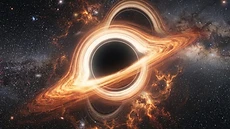
When a star exhausts its hydrogen fuel, it leaves the main sequence. Small stars become red giants and eventually white dwarfs, while massive stars may undergo supernova explosions, leaving behind either a dense neutron star or a black hole, depending on the remaining core mass.
How does mass determine a star's lifespan?+
Mass is the primary factor in stellar longevity. Paradoxically, the most massive stars burn through their fuel very rapidly and live for only a few million years, whereas smaller stars like our Sun burn fuel slowly and can persist for billions of years.
Are all stars similar to our Sun?+
No, stars vary significantly in size, temperature, and colour. Our Sun is a G-type main sequence star, which is considered average in size. Other stars range from tiny, cool red dwarfs to gargantuan, hot blue supergiants that emit significantly more energy.
Continue Reading
Forecast These Questions
View all →Express your probability on these active forecast questions.