Astrophysics Reveals the Mechanics of Our Universe
Astrophysics bridges the gap between fundamental physics and the observation of the cosmos. From solar cycles to orbital mechanics, this field explains how the universe functions.
Astrophysics Explains the Mechanics of Our Universe
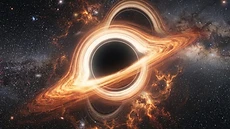
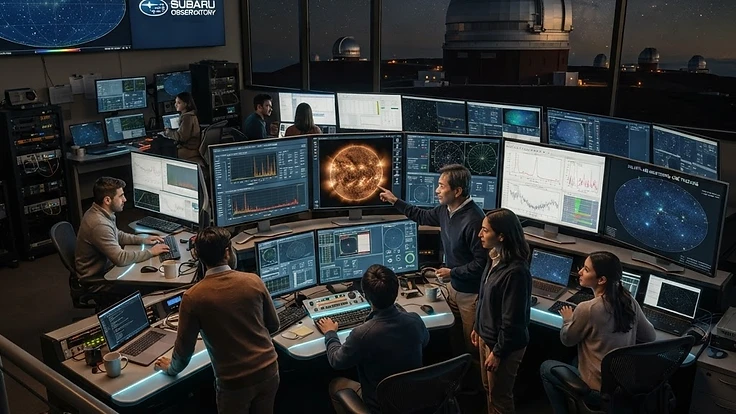
Astrophysics is the branch of science that applies the laws of physics to understand how stars, planets, and galaxies behave. By moving beyond simple observation, astrophysicists use mathematics and modelling to uncover the underlying forces that govern everything from the sun to distant black holes.
This field matters because our existence is tied to cosmic processes. Understanding these mechanics allows us to interpret our place in the universe and prepare for events originating far beyond our atmosphere. It turns the night sky from a mere backdrop into a complex, dynamic laboratory.
The Science Behind It
At its core, astrophysics relies on the fundamental interaction of matter and energy. Scientists study light, radiation, and gravity to deduce the composition of celestial bodies located millions of kilometres away. By analysing the spectra of distant stars, they can determine chemical makeup and temperature with high precision.
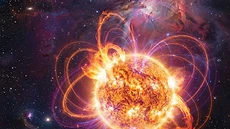
Space weather provides a primary example of this science in action. The sun follows 11-year solar cycles, periodically intensifying its output. Solar wind, typically travelling at 400 to 700 km/s, carries charged particles across the solar system.
When these particles reach Earth, they interact with our magnetosphere. This interaction is central to our understanding of geomagnetic storms and the subsequent displays of the aurora borealis. Measuring the intensity of these events using the G-scale allows researchers to quantify the potential impact on our technology.
Real-World Implications
Astrophysics is not purely theoretical, as it has significant impacts on modern infrastructure. Geomagnetic storms can induce electric currents that threaten power grids, while the radiation from solar events poses risks to satellites and GPS accuracy. High-intensity events, measured by the Dst index, can cause widespread operational disruptions.
Beyond solar weather, astrophysicists track near-Earth objects to monitor potential collision risks. The memory of the 10 km wide asteroid that struck 66 million years ago informs our defence strategies today. By calculating orbits and trajectories, scientists provide the time needed to prepare for a potential close approach.
What You Can Do
Staying informed about space weather is easier than ever. You can monitor real-time solar imagery to see the state of the sun at any given moment. If you are interested in witnessing the northern lights, there are many guided aurora tours available across locations like Iceland, Norway, and Alaska that help you plan your trip with experts who track the conditions daily.
You do not need a PhD to track these phenomena. Using embeddable widgets on your own site or device allows you to keep an eye on the latest data without constant manual searching. Awareness of these cycles helps you understand when to watch for celestial activity and when to take precautions.
Key Takeaways
Astrophysics provides the framework to understand the vast, often invisible, forces shaping our environment. From the strongest storms on record to the slow drift of orbital bodies, the field connects us to the broader rhythms of the galaxy. It is a rigorous, evidence-based discipline that safeguards our future.
By engaging with this data, you gain a clearer perspective on the solar and planetary mechanics influencing Earth. Science is a tool for observation, and in this age, that tool is available to everyone. Use it to watch the skies and understand the invisible influence of the cosmos.
People Also Ask
How do astrophysicists measure the distance to stars?+
They use a method called stellar parallax, measuring the shift in a star's position against background objects as Earth orbits the Sun. For more distant objects, they use standard candles like Type Ia supernovae or Cepheid variables, which have a known luminosity, allowing astronomers to calculate distance based on perceived brightness.
What is the difference between astronomy and astrophysics?+
Astronomy is primarily focused on the observation, mapping, and classification of celestial objects. Astrophysics applies the principles of physics to explain the internal processes, energy generation, and physical properties of those objects. While modern astronomy relies heavily on astrophysics, the latter emphasizes the 'why' and 'how' behind cosmic phenomena.
Why is the solar cycle important for Earth?+
The solar cycle dictates the level of solar activity, including sunspots and solar flares. During the solar maximum, more frequent solar eruptions and coronal mass ejections increase the likelihood of geomagnetic storms. These storms can affect satellite operations, high-frequency radio communications, and even ground-based power infrastructure on Earth.
Continue Reading
Forecast These Questions
View all →Express your probability on these active forecast questions.