Understanding the Solar Wind and its Velocity
The solar wind is a continuous stream of charged particles flowing from the Sun. Discover how this silent cosmic force influences Earth and what it means for our modern technology.
The Constant Flow of the Solar Wind
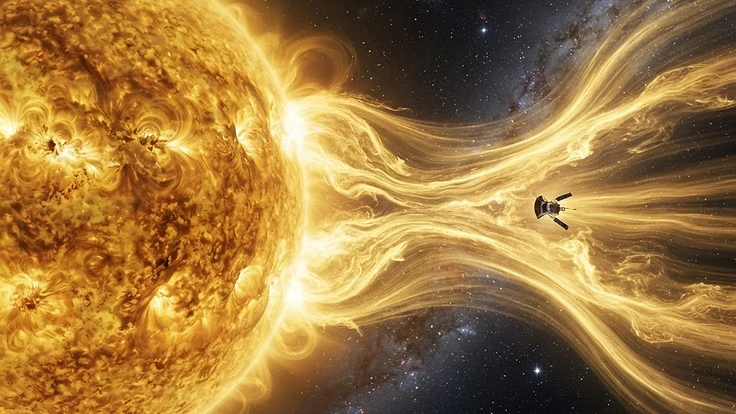
The solar wind is a steady stream of charged particles consisting primarily of electrons and protons flowing from the outer atmosphere of the Sun. This stream permeates the entire solar system, effectively creating a giant bubble known as the heliosphere that protects us from harsher interstellar radiation.
Live Space Weather Dashboard
Powered by Flarient — embed this on your site →
While the concept may sound abstract, this wind is a constant presence in our space environment. Understanding how it moves and interacts with our planet is essential for anyone interested in the mechanics of our solar system and how it influences life on Earth. You can explore the glossary for more precise definitions of these solar phenomena.
The Physics of Solar Velocity
Unlike wind on Earth, which is driven by air pressure, the solar wind is driven by the extreme heat of the solar corona. As the plasma escapes the Sun, it accelerates to speeds that frequently surprise those new to solar physics.
Typical solar wind travels at speeds between 400 and 700 kilometres per second. However, massive eruptions from the Sun known as coronal mass ejections can accelerate these particles to staggering speeds of 3,000 kilometres per second, far outstripping the standard background flow.
Real-World Implications for Our Planet
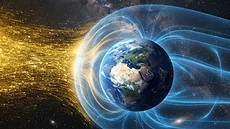
When these streams of charged particles strike Earth, they interact with our magnetic field to create a [geomagnetic storm](/ #kp). This process compresses our magnetosphere and can induce electrical currents in long-distance power grids or affect satellite hardware.
High-speed wind events often dictate the strength of the [aurora](/ #aurora) displays visible at high latitudes. As discussed in our analysis of how solar wind shapes Earth's magnetosphere, these interactions are the primary driver of both beautiful natural light shows and potential technical disruptions. Monitoring these events remains a vital part of protecting our global infrastructure.
What You Can Do
Staying informed is the best way to prepare for solar activity. You might choose to monitor the real-time data provided by NOAA SWPC to see how current wind speeds compare to historical norms.
If you are planning an expedition to see the lights, guided aurora tours across regions like Iceland, Norway, Canada, and Alaska offer expert insights into predicting the best viewing windows. For those managing technical systems, keeping an eye on your local aurora forecast is a sensible habit.
You can even use embeddable widgets on your own site to keep your audience updated on the latest space weather metrics.
Key Takeaways
The solar wind is a fundamental part of the solar environment that influences everything from satellite reliability to the visual grandeur of the night sky. While speeds are typically in the hundreds of kilometres per second, significant solar events can dramatically increase these values.
By keeping an eye on the latest measurements, we can better understand our place in the cosmos. Whether you are a casual observer or a technical professional, the storm leaderboard remains a fantastic resource for contextualising the intensity of past events compared to the present day.
People Also Ask
Does the solar wind ever stop?+
No, the solar wind is a continuous process. It is driven by the extreme temperatures of the solar corona, which force plasma to escape the Sun's gravity constantly. While the density and velocity of the wind fluctuate based on solar cycles, the flow itself never truly ceases.
How long does it take for solar wind to reach Earth?+
Because solar wind typically travels between 400 and 700 kilometres per second, it usually takes between two to four days for particles to reach Earth after leaving the Sun. Faster events, such as major coronal mass ejections, can significantly reduce this travel time.
Can solar wind damage electronics?+
While solar wind itself does not directly damage consumer electronics, strong geomagnetic storms caused by intense solar wind can induce electrical currents in large-scale infrastructure. This can impact power grids, satellite operations, and long-range radio communications, though personal home devices are generally unaffected by these space weather events.
Continue Reading
Forecast These Questions
View all →Express your probability on these active forecast questions.