Solar Flares and Coronal Mass Ejections Are Distinct Solar Phenomena
Solar flares and Coronal Mass Ejections are often conflated, but they represent entirely different solar events with unique physical mechanisms and effects on our planet.
Solar Flares and Coronal Mass Ejections Are Distinct Solar Phenomena
Solar activity is the primary driver of space weather, dictating conditions across the heliosphere. When we observe the Sun, we often see explosive energy releases labelled as solar flares or coronal mass ejections, yet these terms describe fundamentally different physical processes. Understanding this distinction is essential for anyone interested in how our star influences Earth, as each event travels to us through different mediums and poses unique risks to our technological infrastructure.
Live Space Weather Dashboard
Powered by Flarient — embed this on your site →
The Science Behind It
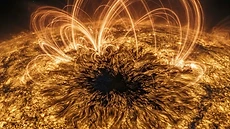
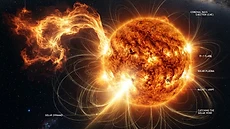
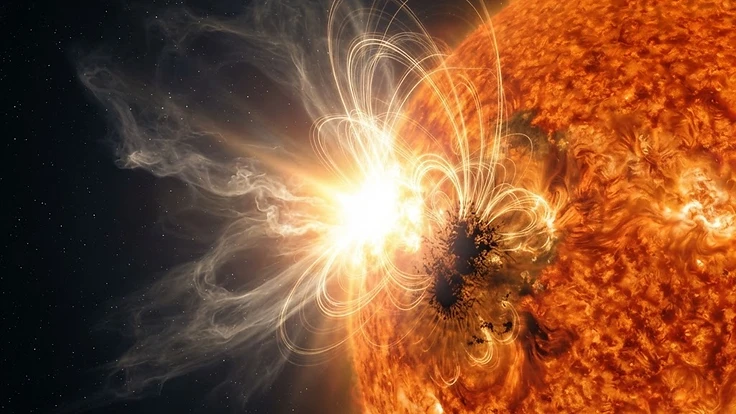
A solar flare is an intense burst of electromagnetic radiation resulting from the release of magnetic energy associated with sunspots. These flashes move at the speed of light, reaching Earth in approximately eight minutes to cause immediate ionospheric disturbances.
In contrast, a coronal mass ejection is a massive cloud of solar plasma and embedded magnetic fields launched into space. Unlike the instantaneous flash of a flare, a coronal mass ejection is a physical expulsion of material that can take anywhere from fifteen hours to several days to cross the interplanetary gap.
While flares are classified by their X ray intensity from A class to the most powerful X class, coronal mass ejections are measured by their speed and potential to interact with the geomagnetic field. They do not always occur together, though the most energetic solar events often feature both phenomena erupting in tandem.
You can view the latest solar imagery from satellites like SDO to see these dynamic structures in real time. For those seeking technical definitions of the solar cycle or flare classifications, our glossary provides a comprehensive breakdown.
Real-World Implications
The impact of these events on Earth differs significantly due to the speed and composition of the emissions. Solar flares primarily affect radio communications, causing temporary blackouts in high frequency bands by altering the ionosphere.
Coronal mass ejections have a more profound effect on the planetary magnetic environment. When these clouds arrive, they can trigger a major geomagnetic storm, which induces currents in power grids and can disrupt satellite operations. You can read more about how satellites maintain communication during geomagnetic storms for a deeper look at mitigation efforts.
Historically, the most intense events have caused widespread grid failures and navigation errors. If you are curious about the most significant incidents throughout history, you can explore our archive of past events to see how our modern infrastructure compares to the conditions experienced during the 1859 Carrington Event.
What You Can Do
Staying informed requires tracking solar conditions as they evolve throughout the solar cycle. Monitoring tools allow you to observe the current Kp index and potential for auroral activity in your region. If you are planning an expedition to see the lights, there are many guided aurora tours in countries like Iceland, Norway, Canada, Finland, Sweden, and Alaska that help you navigate the best viewing conditions.
You can also integrate real time data into your own projects by using our embeddable widgets on your website or dashboard. These tools help keep enthusiasts and professionals alike prepared for incoming space weather by providing live feeds of activity levels.
Key Takeaways
Distinguishing between electromagnetic radiation and physical plasma clouds is the first step in understanding space weather. Solar flares are fast and affect communication, while coronal mass ejections are slower but carry the potential for geomagnetic disruption to critical infrastructure.
By tracking these events, we gain insight into the dynamic nature of our Sun. Keeping a close eye on NOAA SWPC data ensures you remain updated on current space weather status.
Whether you are observing the auroral oval or protecting sensitive electronics, distinguishing between these two events remains a vital skill for modern life.
For observers
If the article inspires you to image sunspots or capture solar structure safely, one compact option for portable solar and daytime astrophotography is worth exploring: Explore a compact capture setup.
Ad · Affiliate link. Flarient may earn a commission if you purchase through this link, at no additional cost to you.
People Also Ask
Can a solar flare destroy the Earth's atmosphere?+
No. Earth's magnetic field and dense atmosphere provide robust protection against solar radiation and plasma. While solar flares and coronal mass ejections can interfere with technology, radio signals, and satellites, they do not have the energy required to strip away or destroy the planet's atmosphere.
How often do solar flares occur?+
The frequency of solar flares varies according to the 11 year solar cycle. During solar maximum, multiple flares can occur daily, ranging from minor A class events to massive X class flares. Conversely, during solar minimum, the Sun is much quieter and significant flare activity is rare.
Does a solar flare cause the Northern Lights?+
Solar flares themselves generally do not cause auroras. Auroras are primarily triggered by coronal mass ejections or high speed solar wind streams that interact with Earth's magnetosphere. This interaction accelerates charged particles into the upper atmosphere, creating the visual phenomenon we recognize as the Northern or Southern Lights.
Continue Reading
Forecast These Questions
View all →Express your probability on these active forecast questions.