Tracking Space Weather With Consumer Technology
Discover how everyday devices and digital tools allow enthusiasts to monitor solar activity and predict geomagnetic events from home.
Tracking Space Weather With Consumer Technology
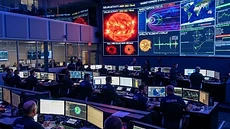
Space weather is no longer the exclusive domain of professional researchers at agencies like the NOAA SWPC.
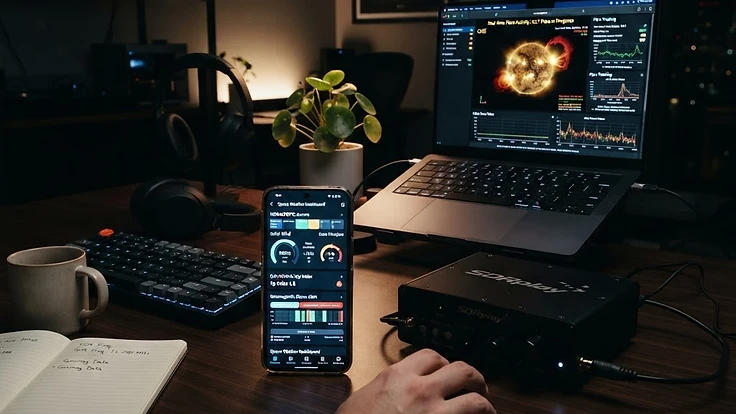
Today, a growing community of enthusiasts uses accessible consumer technology to observe solar phenomena in real time.
From radio receivers to smartphone sensors, these tools transform raw data into actionable insights. Understanding how to monitor these events helps you appreciate the profound connection between our sun and the Earth environment.
The Science Behind It
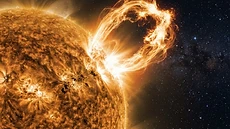
The sun undergoes an 11-year solar cycle, with the current phase, Solar Cycle 25, having begun in December 2019. During peak activity, the sun releases bursts of energy and particles through solar flares and coronal mass ejections.
Live Solar Flare Monitor
Powered by Flarient — embed this on your site →
When these particles reach Earth, they interact with our magnetic field to trigger a geomagnetic storm. Scientists quantify these storms using the G-scale, which ranges from G1 to G5, or by measuring the intensity of the magnetic field disturbance via the Dst index.
Solar wind typically travels at speeds between 400 and 700 km/s, though intense eruptions can exceed 3,000 km/s. When this wind hits our magnetosphere, it can cause the aurora to become visible at lower latitudes, a phenomenon explained further in our deep dive on The Physics and Wonder of the Aurora Borealis.
Real-World Implications
Space weather affects much of our modern infrastructure, from global power grids to satellite communications. Understanding these impacts is essential for anyone interested in the resilience of our technological society.
High-energy particles can cause D-layer absorption, which disrupts high-frequency radio transmissions. This is a critical concern for aviators and emergency responders who rely on stable, long-distance communication channels.
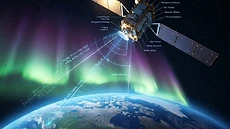
Furthermore, solar events can accelerate orbital decay, requiring satellite operators to perform frequent adjustments to keep hardware in stable flight. These hazards are detailed in our analysis of Monitoring Solar Storms to Protect Satellite Infrastructure.
What You Can Do
Equipping yourself to track these events starts with digital resources. You can view high-resolution solar imagery from the Solar Dynamics Observatory to monitor sunspot progression and potential flare regions in real time.
For those who prefer a more curated experience, you can use embeddable widgets on your own blog or website to share live data with others. If you plan to hunt for lights, consider booking [guided aurora tours](https://vi.me/HuXHi) in countries like Iceland, Norway, or Canada to receive expert guidance during peak solar conditions.
Always check your local aurora forecast before travelling to remote areas. This ensures you make the most of your time under the night sky, whether you are observing a quiet solar wind stream or a major storm.
Key Takeaways
Space weather is a fascinating field that bridges the gap between solar physics and daily life. By using standard consumer devices and digital dashboards, anyone can participate in the science of monitoring our parent star.
As we continue through Solar Cycle 25, these tools will remain vital for understanding the dynamic environment of space. Whether you are tracking past events or preparing for the next geomagnetic disturbance, your engagement contributes to a more informed public.
Stay curious about the forces at play in our solar system. The more we learn, the better we can prepare for the inevitable fluctuations of our active sun.
People Also Ask
How do solar flares affect my smartphone?+
While individual devices are rarely damaged directly, solar flares can disrupt the satellite networks and GPS signals that smartphones rely on for timing and positioning. During intense G4 or G5 storms, you may experience reduced GPS accuracy or temporary outages in satellite-based navigation services across large regions.
Can I build a space weather monitor at home?+
Yes, many enthusiasts use software-defined radio (SDR) dongles to monitor VLF radio signals. By tracking how these signals are absorbed or reflected, you can infer the state of the ionosphere and detect when solar flares occur without needing expensive or professional-grade equipment.
Are there apps that notify me of geomagnetic storms?+
Several apps and web services exist that pull data from the NOAA Space Weather Prediction Centre. These tools provide push notifications for Kp-index spikes, allowing you to know when the auroral oval is active and potentially visible from your current geographic location.
Continue Reading
Forecast These Questions
View all →Express your probability on these active forecast questions.